Wildlife

Pros & Cons of a Himalayan Snow Leopard Expedition: Group vs Flexible Lodge-Based Travel

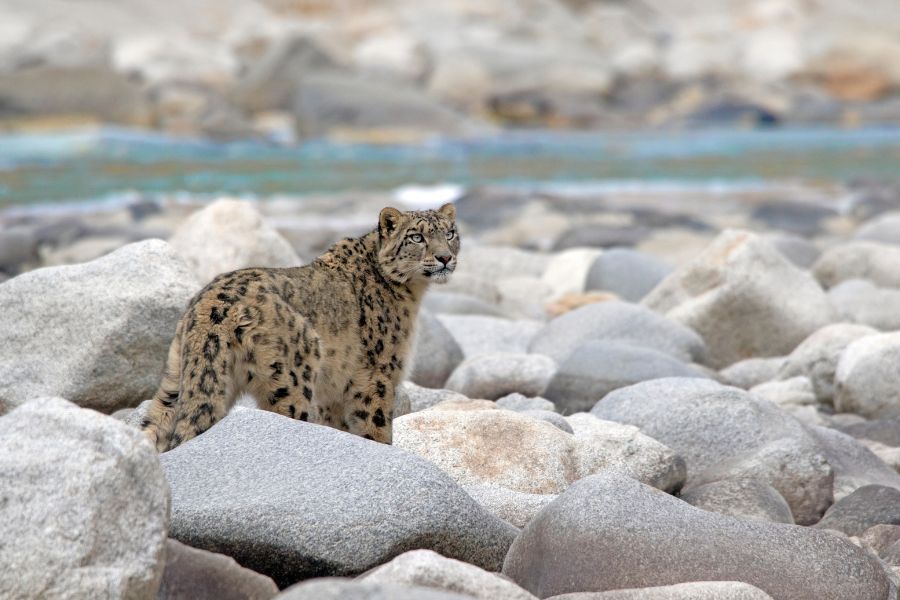
snow leopard sighting

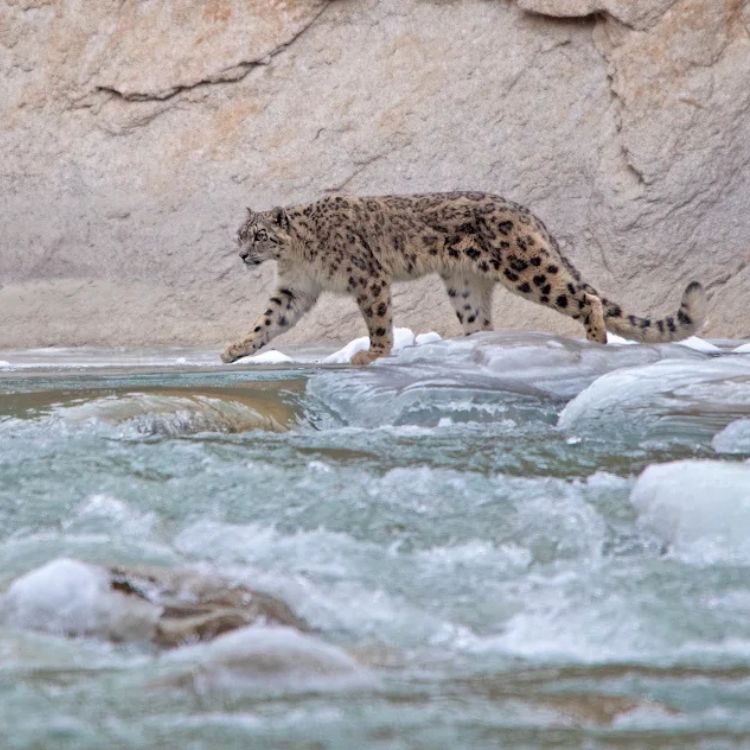
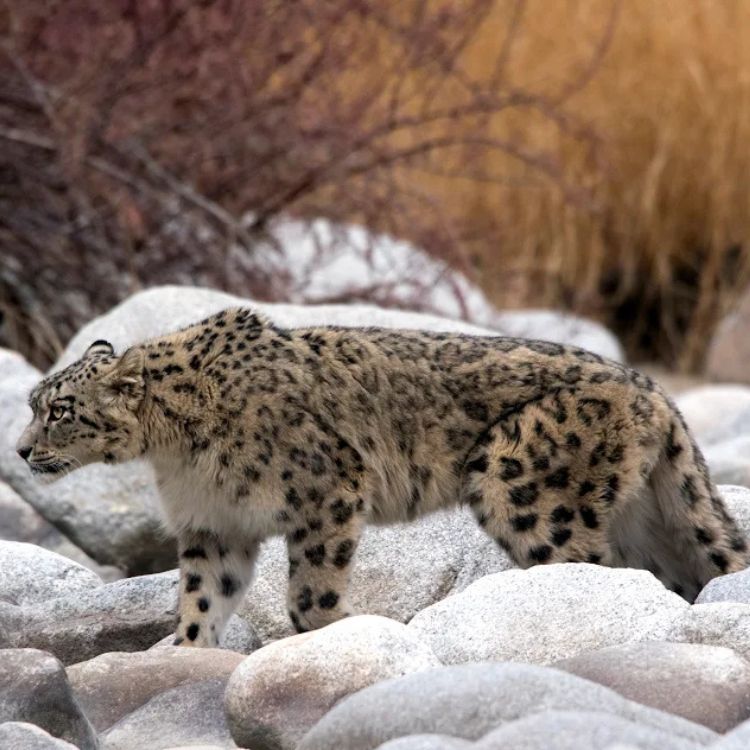
If you’ve ever dreamt of trading a summer beach for a high-altitude valley and a spotting scope, a snow leopard tour in India is probably already on your radar. As one of the most elusive big cats on Earth, the snow leopard — often called the “ghost of the mountains” — draws serious wildlife travellers to the Trans-Himalaya, particularly Ladakh, which remains the heartland of India’s best sightings.

Recent surveys estimate that Ladakh alone holds around 477 snow leopards, accounting for nearly 68% of India’s snow leopard population, making it the epicentre for any serious snow leopard expedition in India. Winter expeditions to Ladakh now offer some of the most reliable opportunities anywhere in the world for observing this species in the wild.

One question comes up repeatedly among Australian wildlife travellers:
Is it better to do a snow leopard expedition as a group, or privately?

The answer is nuanced — especially because even non-group travellers usually stay at dedicated snow leopard lodges in Leh and surrounding valleys, where guests naturally meet other like-minded wildlife enthusiasts, share sightings, and often head out on the same snow leopard sighting tours in Ladakh.

Below is a clear, field-based comparison of group vs private snow leopard expeditions, and why, in reality, a flexible lodge-based approach often delivers the strongest outcome.
slider-image1
slider-image2
slider-image3
slider-image4
slider-image5

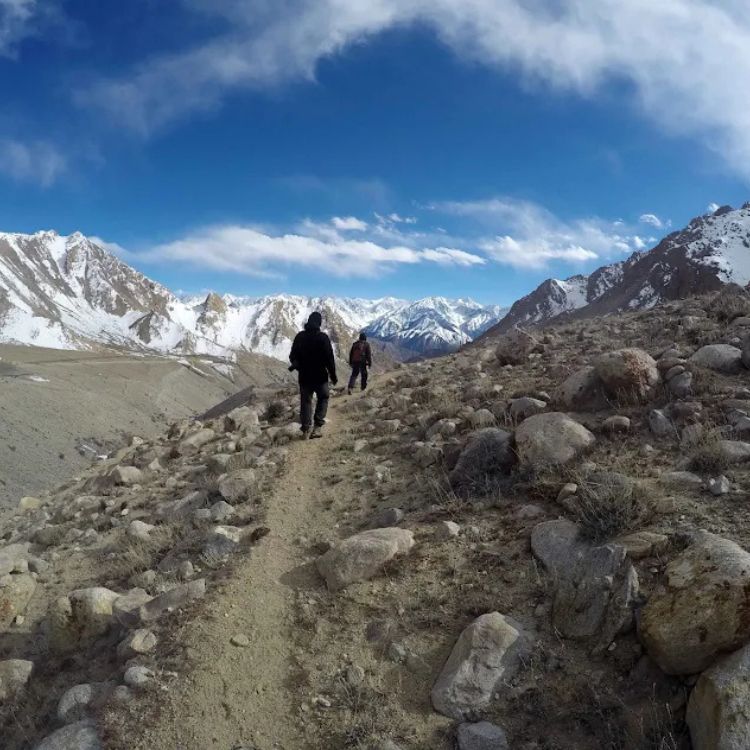
What a Snow Leopard Expedition in Ladakh Really Involves

A typical snow leopard expedition in Ladakh is not a conventional safari. It is slow, patient, physically demanding, and deeply rewarding.

Most expeditions involve:

  • Winter travel (November–March), when snow pushes prey and predators into lower valleys
  • High-altitude terrain (3,500–4,500+ metres)
  • Staying in specialist snow leopard lodges near Leh or village homestays
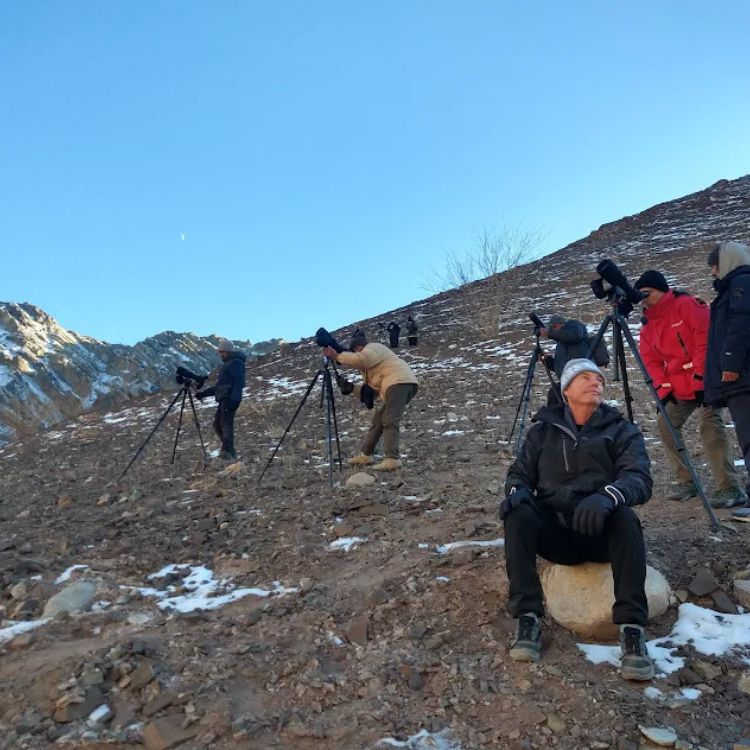
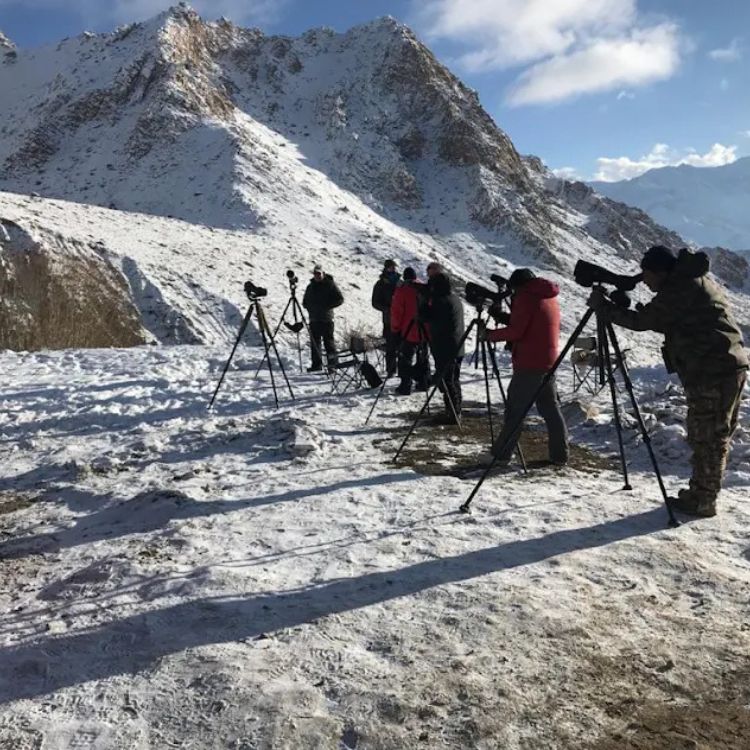
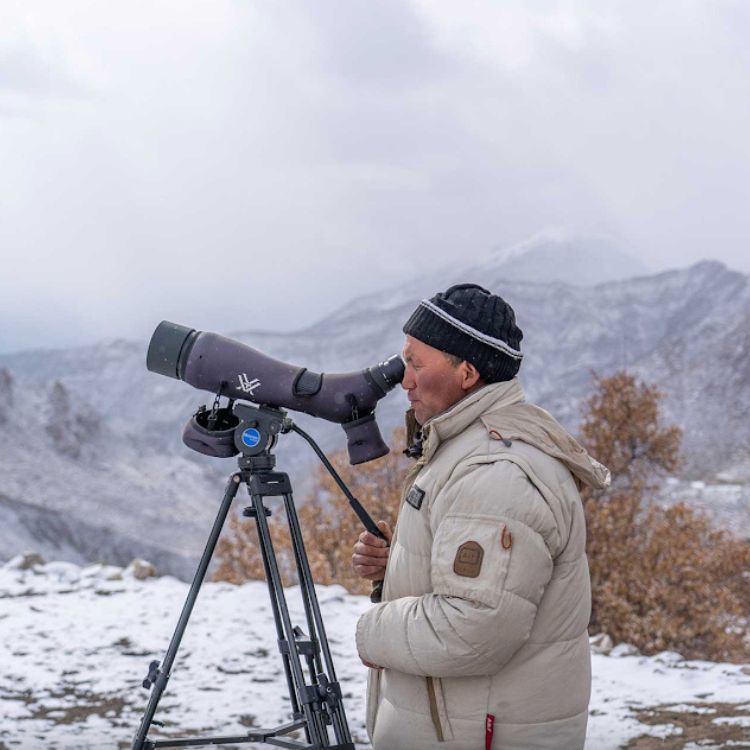
  • Daily scanning of ridgelines with professional trackers
  • Long periods of observation, punctuated by brief but unforgettable encounters

Whether you’re on a snow leopard tour Ladakh itinerary or a broader snow leopard expedition India programme, patience and mindset matter as much as logistics.

Group Snow Leopard Expeditions: Pros & Cons

Pros of Group Expeditions

  • Cost efficiency – Group departures spread the cost of trackers, vehicles, guides and accommodation, making them attractive for solo travellers or those entering Himalayan wildlife travel for the first time.
  • Shared observation power – More people scanning slopes can mean faster detections, especially when combined with experienced local spotters.
  • Camaraderie – Group trips often foster strong bonds — sharing thermoses, scopes, and stories over long, cold days.
  • Structured itineraries – Fixed schedules offer reassurance for first-timers dealing with altitude, cold, and unfamiliar terrain.

Cons of Group Expeditions

  • Pace dictated by the group – In thin air, walking speeds and stamina vary widely. The daily rhythm often follows the slowest or least acclimatised member, not the most wildlife-focused.
  • Limited flexibility – Group itineraries struggle to adapt when snow leopard activity spikes in one valley or fades in another.
  • The “Loudest Member” Problem (Rare, but Real) – One overlooked downside of group travel — especially on snow leopard sighting tours in Ladakh — is the impact of a single loud, over-confident, or “I-know-it-all” participant.

At high altitude, in silent valleys where sound carries far:

  • Loud voices, constant commentary, or unnecessary movement can disrupt both wildlife and group focus
  • Dominating personalities can override guide instructions or pressure the group into poor decisions
  • The atmosphere can shift from quiet observation to unnecessary tension

In a snow leopard expedition, silence, patience, and humility are assets. One poorly behaved individual can genuinely reduce the quality of the experience for everyone — including the wildlife.

Compromise on priorities – If half the group wants to return early while snow leopard activity remains strong, everyone adjusts.

Flexible Lodge-Based Snow Leopard Travel (Often Perceived as “Private”)

Now let’s talk about the alternative many experienced wildlife travellers prefer — flexible, lodge-based snow leopard travel.

This approach still centres around specialist snow leopard lodges in Leh and surrounding valleys, where guests:

  • Share accommodation with other wildlife enthusiasts
  • Benefit from pooled tracking intelligence
  • Often head into the same valleys when a snow leopard is located

The key distinction is flexibility, not isolation.

Advantages of Flexible Lodge-Based Travel

  • Date flexibility – Travellers can choose the exact travel window that suits them — critical for Australians managing leave, school terms, or multi-destination itineraries.
  • Control over daily field time
    You can choose whether to:
    1] Stay all day on one ridge following a single animal
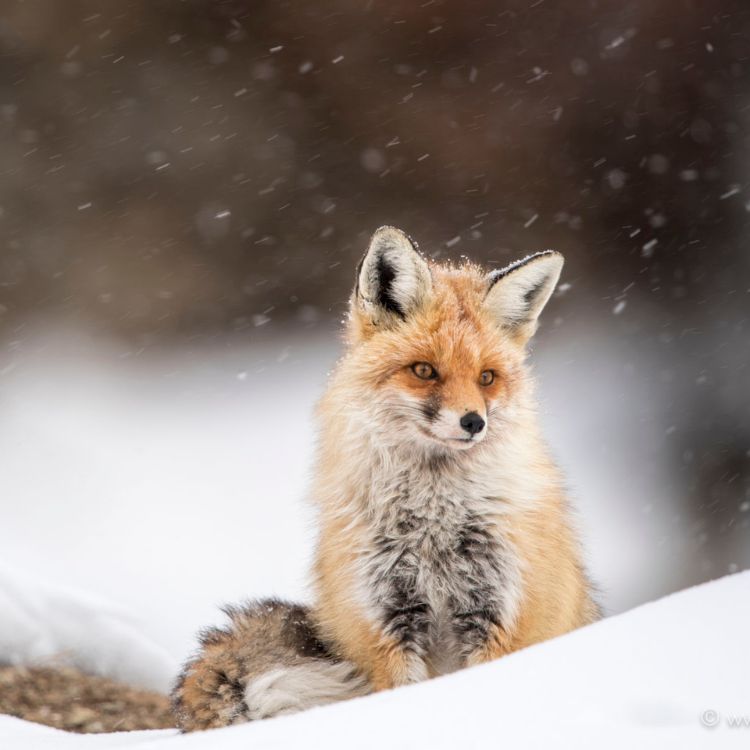
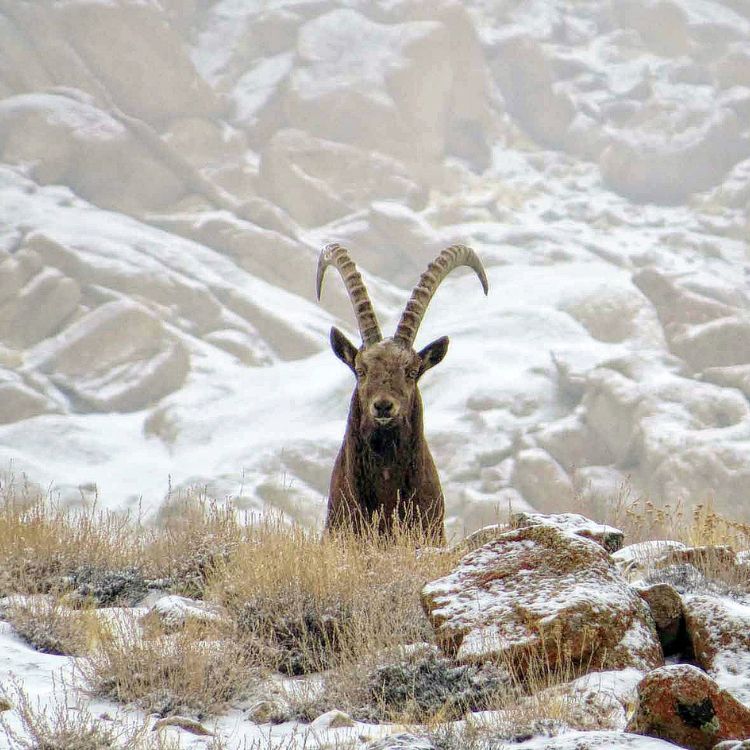
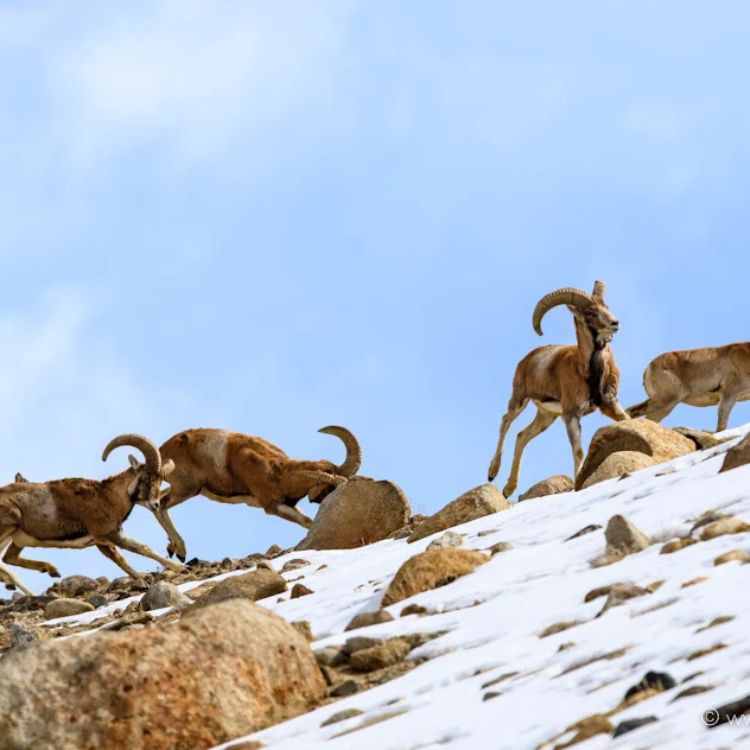
    2] Focus heavily on snow leopards or broaden to wolves, ibex and blue sheep
    3] Prioritise photography, observation, or physical trekking
  • Adaptive planning – If conditions change — weather, wildlife movement, or personal energy levels — the plan adjusts accordingly.
  • Shared experience without forced conformity – You still meet other guests at the lodge, share sightings, stories, and meals, but you’re not required to match every movement or decision.

This structure is increasingly favoured by travellers booking snow leopard tour India programs who want depth without rigidity.

Considerations

  • Higher cost per person – Without fixed group cost-sharing, pricing can be higher — though for couples or families, the difference often narrows.
  • Personal responsibility – With flexibility comes the need for realistic expectations about weather, altitude, and the unpredictable nature of snow leopard behaviour.

Conservation & Ethics: Why Structure Matters

Responsible snow leopard expedition Ladakh models have proven conservation benefits:

  • Income from lodges and homestays reduces retaliation against predators
  • Local trackers become wildlife guardians rather than hunters
  • Villages gain a direct stake in protecting snow leopards

However, over-crowding, poorly managed groups, and insensitive behaviour can undermine these gains.

Smaller, flexible groups — whether formally “private” or lodge-based — tend to place less pressure on fragile alpine ecosystems while maintaining high-quality sightings.
slider-image1
slider-image2
slider-image3
slider-image4
slider-image5
slider-image6

So Which Is Better?

Group Expeditions Suit Travellers Who:

  • Are travelling solo
  • Prefer fixed schedules
  • Are budget-sensitive
  • Enjoy highly social travel

Flexible Lodge-Based Travel Suits Travellers Who:

  • Want control over dates and pacing
  • Prioritise wildlife time over schedules
  • Value quiet observation
  • Are travelling as couples or families
  • Want to maximise the quality of a snow leopard expedition India experience

Why This Approach Delivers the Best Balance

For most serious wildlife travellers — especially Australians making the long journey to the Himalaya — a flexible, lodge-based snow leopard tour Ladakh offers:

  • The shared excitement of group sightings
  • The freedom to shape your own experience
  • Reduced exposure to disruptive group dynamics
  • Better alignment with conservation principles

In a landscape where sightings are never guaranteed and conditions are demanding, this balance often defines the difference between a good trip and a truly exceptional one.