



Let’s Design Your Journey
Every itinerary is personalised. This is where the conversation begins.
All journeys are privately curated. No obligation to book.
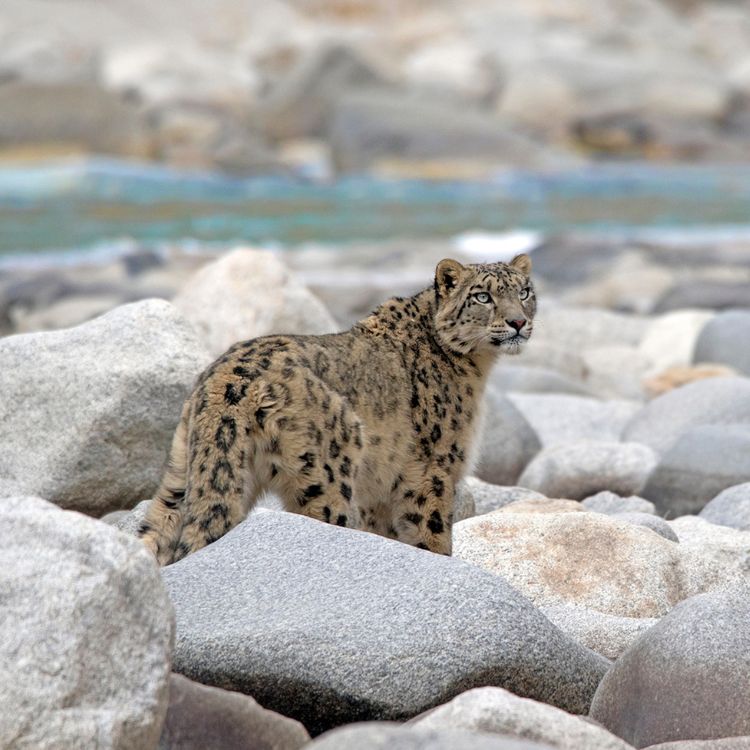
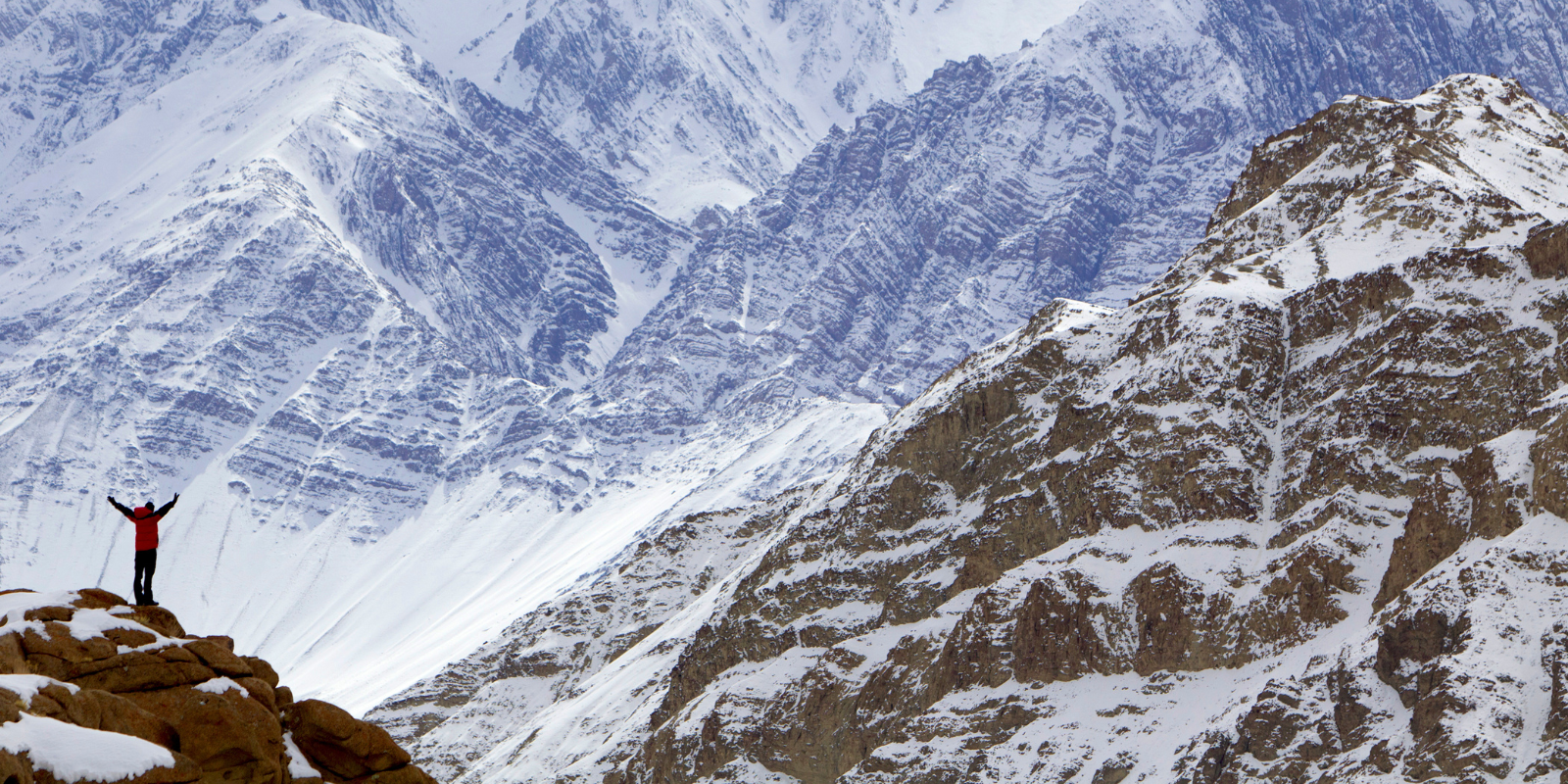
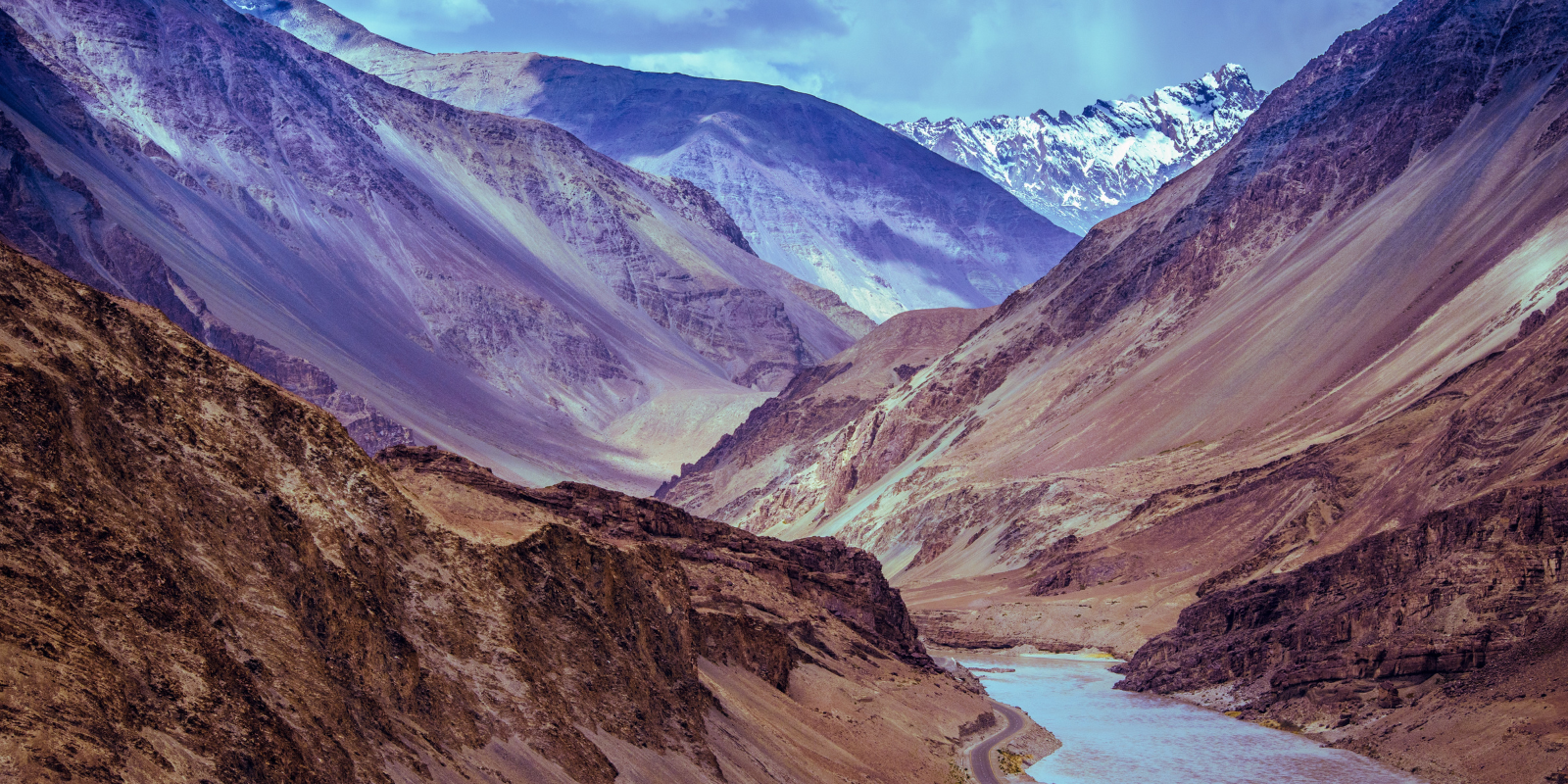
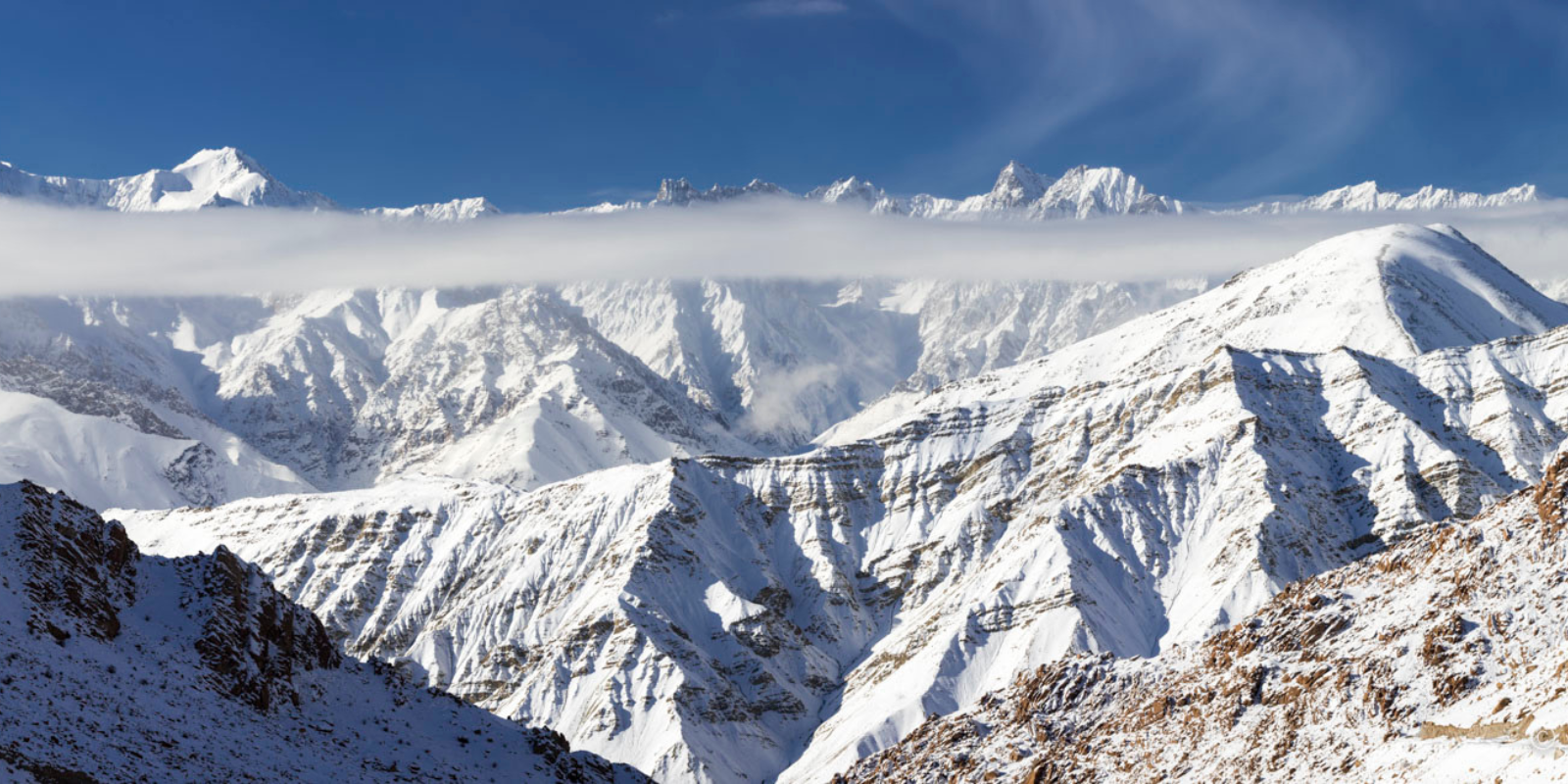
High in the Indian Himalayas, the ancient kingdom of Ladakh reveals a world shaped by wind, silence and sheer mountain light.
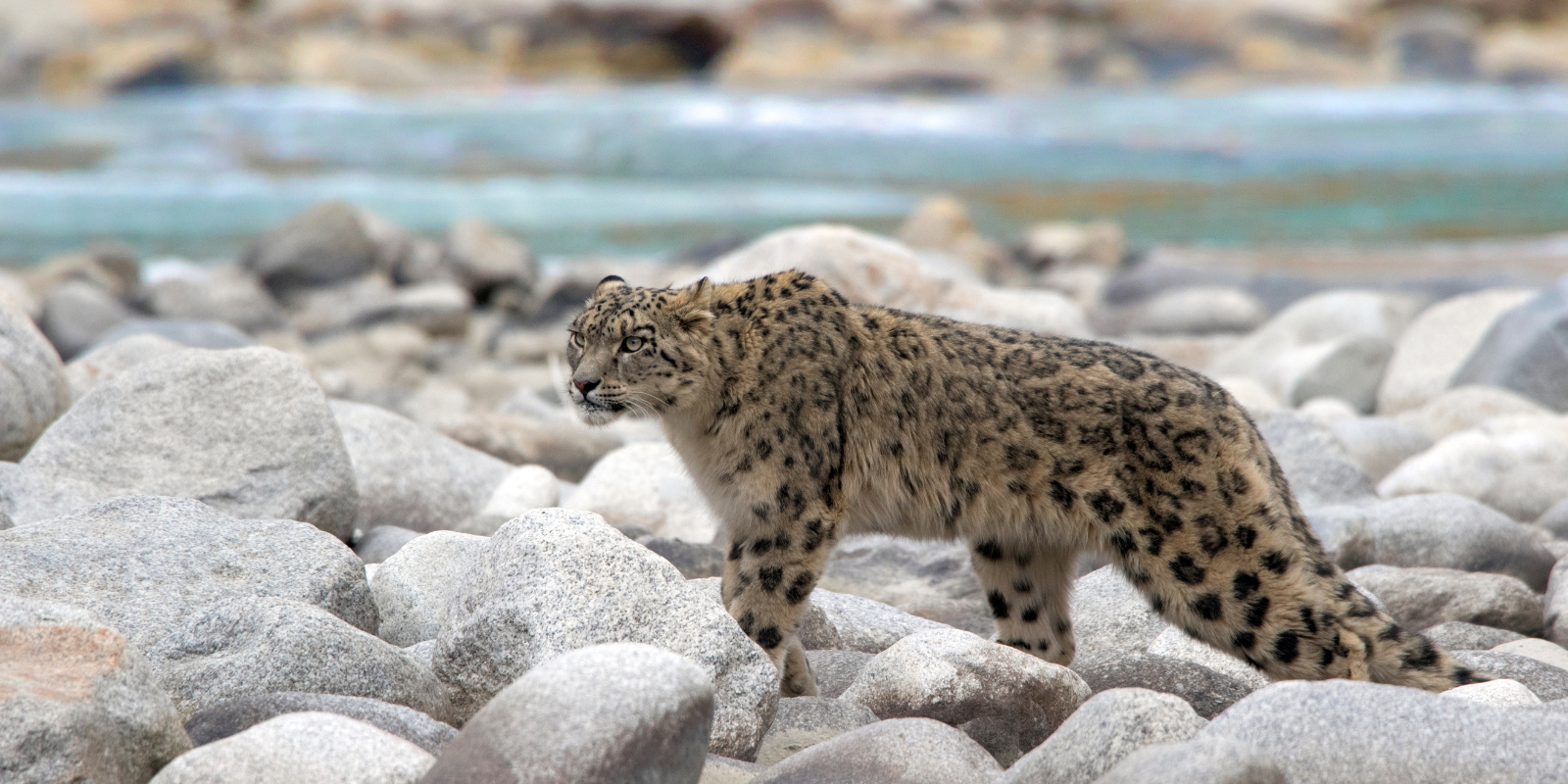
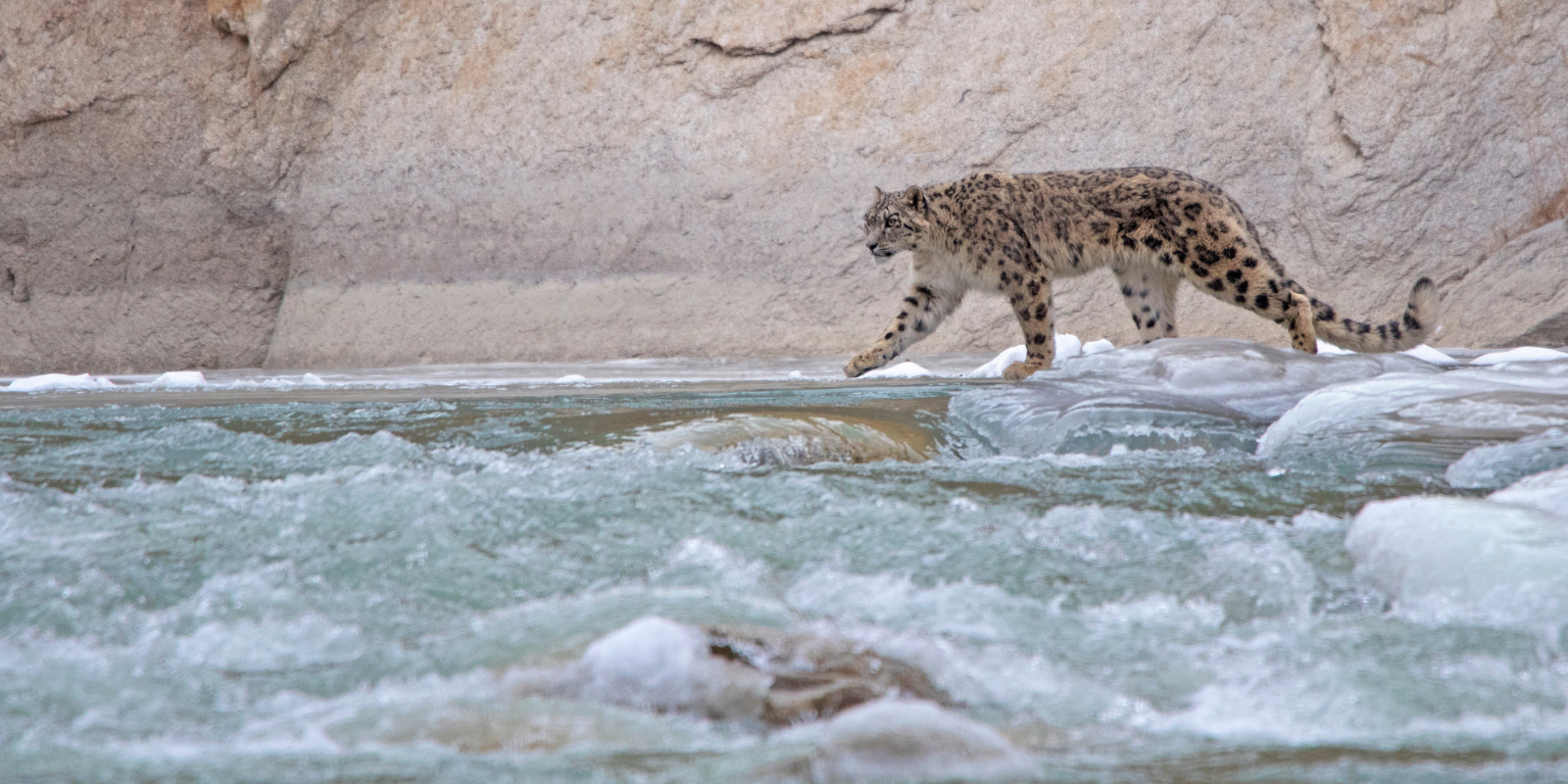
It is here, among snow-dusted ridgelines and remote high-altitude valleys, that your private Snow Leopard Tour in India begins — an expedition in search of the legendary “Ghost of the Himalaya.” With expert trackers leading the way, each day unfolds against sweeping vistas, hidden corridors of wildlife activity and the quiet anticipation that defines true wilderness exploration.
Read MoreFrom this stark and mesmerising landscape, your journey shifts into the deep sal and bamboo forests of Central India — the domain of the Bengal Tiger. Bandhavgarh’s dramatic cliffs and Kanha’s misty meadows create the perfect contrast to Ladakh’s frozen grandeur, offering rich biodiversity and some of India’s most rewarding safari experiences.
Crafted as a privately guided, high-end adventure, this 16-day expedition blends exceptional wildlife tracking with seamless comfort, insider knowledge and the thrill of pursuing two of the world’s most iconic big cats.
Trusted by Travellers, Recognised by Global Brands
25+ years of crafting award-winning journeys across the Indian Subcontinent








Highlights at glance
- Experience Ladakh’s dramatic high-altitude wilderness, where silent valleys, rugged ridgelines and crystalline Himalayan light frame your search for the elusive snow leopard — guided by expert trackers who understand every movement and sign on the mountain.
- Explore remote Ulley Valley, one of India’s most reliable regions for snow leopard sightings, with five full days dedicated to patient, immersive tracking supported by experienced spotters and field naturalists.
- Acclimatise gently in Leh, discovering ancient monasteries, traditional markets and sweeping views across the Indus Valley before venturing deeper into the wild.
- Descend into Central India’s legendary tiger reserves, where Bandhavgarh’s dramatic cliffs and Kanha’s misty meadows reveal a different side of India — rich forest habitats alive with deer, birds, and the unmistakable presence of the Bengal tiger.
- Enjoy a privately guided, tailor-made journey, crafted for serious wildlife enthusiasts seeking a seamless blend of expert-led tracking, refined comfort, and the thrill of encountering two of the world’s most iconic big cats.
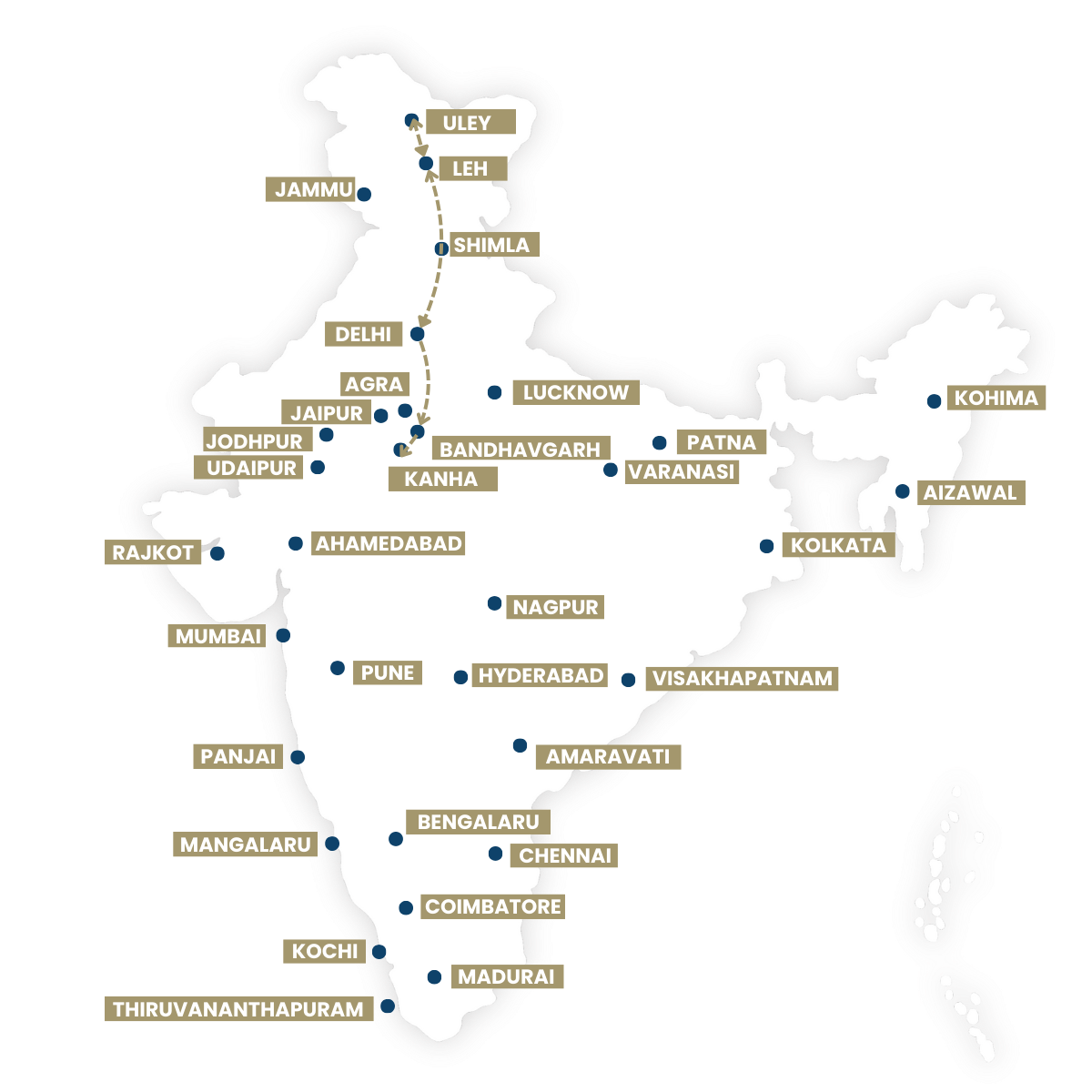
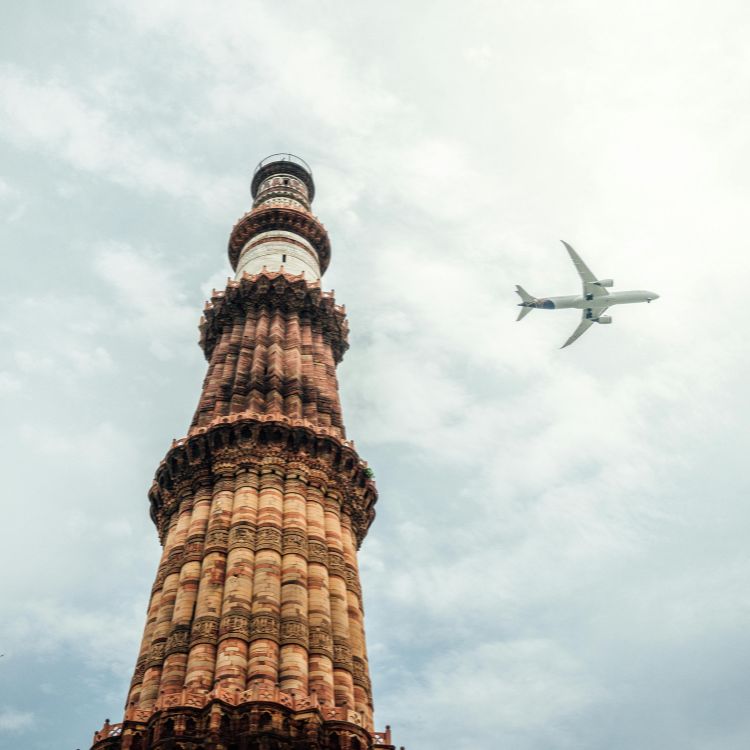
Night 1 : Delhi | Arrival & Rest
Your journey begins in India’s capital, where an overnight stay prepares you for the altitude and adventure ahead. Delhi’s warm light, avenues and gentle urban rhythm offer a soft landing after your long international flight. Settle into your hotel, refresh and adjust to the new time zone. This evening is kept deliberately quiet so you can rest, hydrate and organise your gear. A good sleep tonight helps your body cope comfortably with the change in elevation ahead before tomorrow’s flight to Leh and the high Himalayas. It is a gentle, essential beginning to this specialist wildlife expedition.
Arrive in Delhi, clear immigration and meet your representative for a private transfer to your hotel. The remainder of the day is left free so you can recover from the flight, adjust to the climate and enjoy a first glimpse of India at your own pace. You might take a short walk nearby or simply relax with a quiet meal. An early night is recommended, as tomorrow’s spectacular Himalayan flight to Leh begins your ascent toward Ladakh and the remote snow leopard valleys of the north. This gentle start sets the tone for a well-paced, comfortable journey.
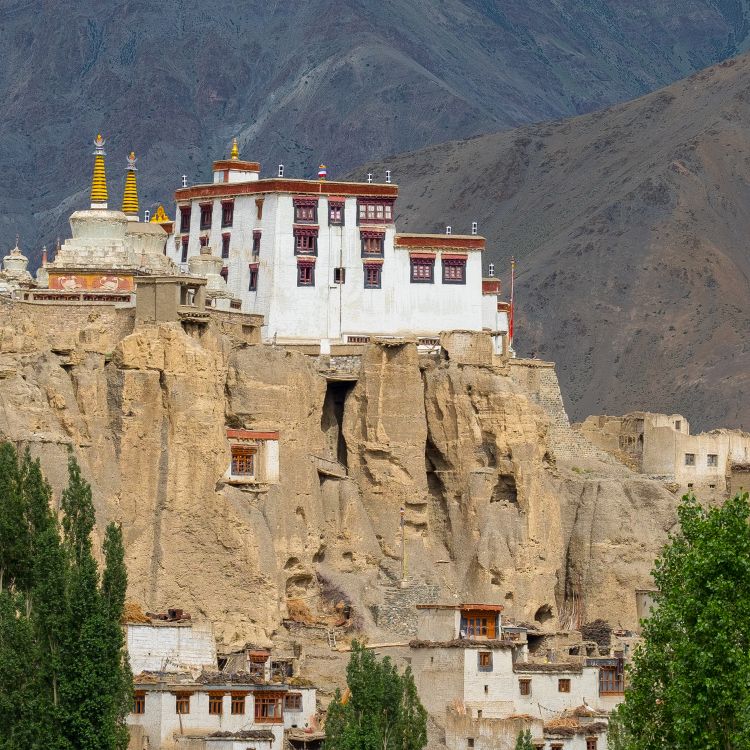
Nights 2 & 3 : Leh | Acclimatisation in the Himalayan Gateway
Leh cradles you in a high-altitude world of jagged ridges, big skies and crisp Himalayan air. Across two nights here, your boutique lodge becomes a calm base while your body adjusts gradually to the elevation. Evenings are peaceful: warm interiors, local cuisine and quiet corners to absorb the silence outside. From the terrace you can watch light fade over the mountains and feel the pace of life slow. These nights are an essential buffer before you move into Ladakh’s remote snow leopard country and organise gear for the expedition properly.
A spectacular morning flight carries you over snow-capped peaks and deep Himalayan valleys before descending into Leh at around 3,500 metres. After a private transfer to your lodge, the day unfolds at a deliberately slow, altitude-friendly pace. Enjoy tea on the terrace, short strolls around the property or a gentle wander through the bazaar if you feel comfortable. Your guide briefs you on Ladakh, its culture and the days ahead. An early night supports acclimatisation and prepares you for more exploration tomorrow. This first glimpse of the Trans-Himalaya sets the visual tone for the entire expedition.
Today is dedicated to gentle acclimatisation while you discover Leh’s character. Visit key monasteries such as Thiksey or Shey, where white-washed stupas, prayer wheels and murals frame sweeping views of the Indus Valley. Explore the old bazaar at an easy pace, pausing for tea in small cafés as your guide explains Ladakh’s blend of Tibetan, Central Asian and Indian influences. The afternoon is left open for rest back at the lodge. Hydration, light meals and a quiet evening all support a smooth transition to higher valleys. By nightfall you should feel noticeably more comfortable at altitude and ready for Ulley.
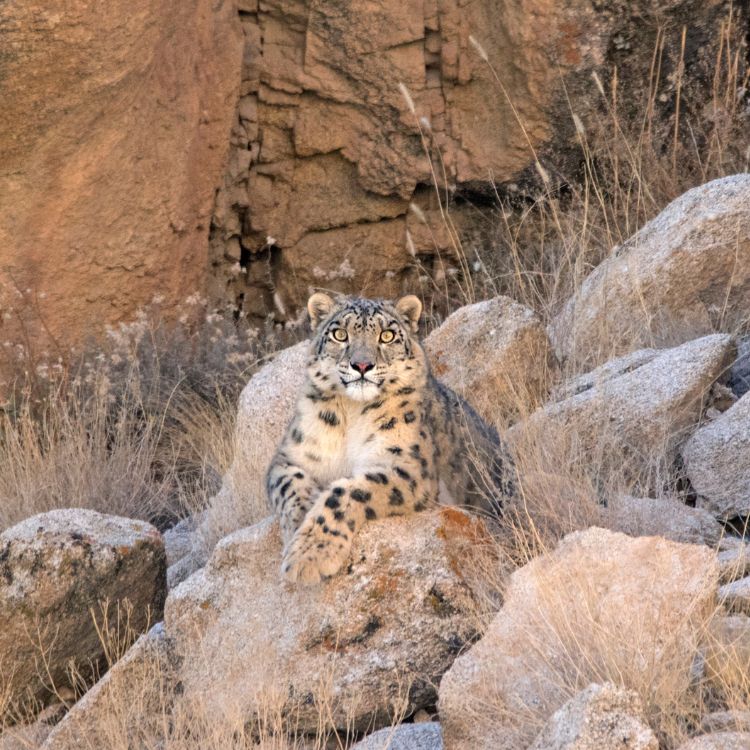
Nights 4 to 8 : Ulley | Snow Leopard Country
Ulley, a quiet valley of steep ridges and scattered hamlets, becomes your expedition base for six remarkable nights. Here, snow-dusted slopes, frozen streams and vast open views create an unforgettable backdrop to each day’s search. Your traditional yet comfortable lodge offers hot showers, hearty meals and a welcoming hearth where stories are shared each evening. Outside, silence and starlight dominate. These nights capture the rhythm of true Himalayan wildlife travel — remote, focused and entirely shaped by the movements of the snow leopard and its prey. They also give you time to recharge between long hours on windswept vantage points.
Leave Leh after breakfast and drive west along the Indus Valley before turning into the side valleys that lead toward Ulley. The scenery quickly shifts from populated slopes to wilder, more dramatic contours where snow lies in sheltered folds. Stop for photographs and short walks as you gain altitude gradually. On arrival, settle into your lodge and meet the local tracking team for a detailed briefing. A short acclimatisation stroll nearby introduces you to Ulley’s scale, quiet and potential for snow leopard encounters. Evening is relaxed, allowing you to organise layers, optics and camera gear for tomorrow.
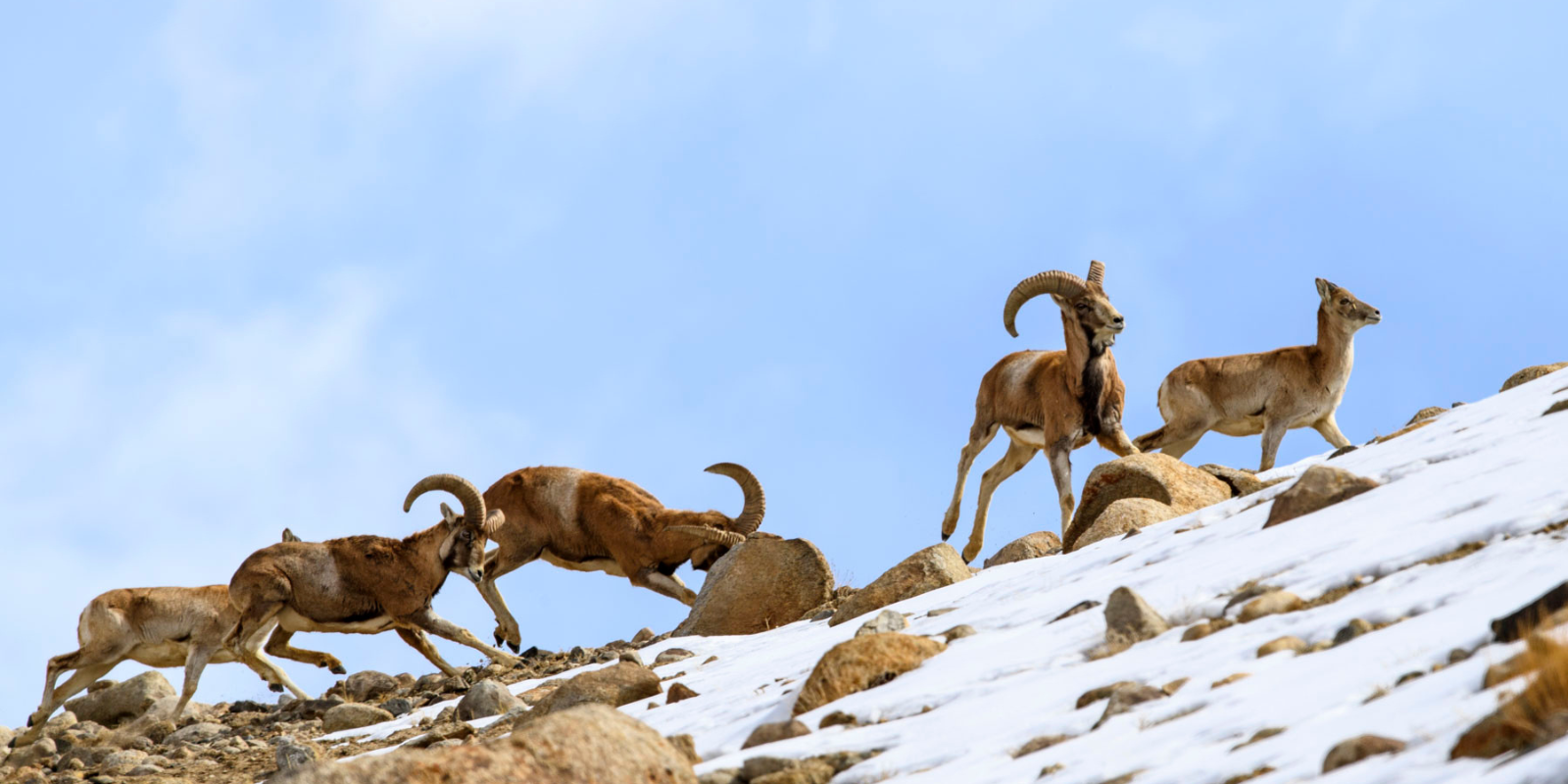
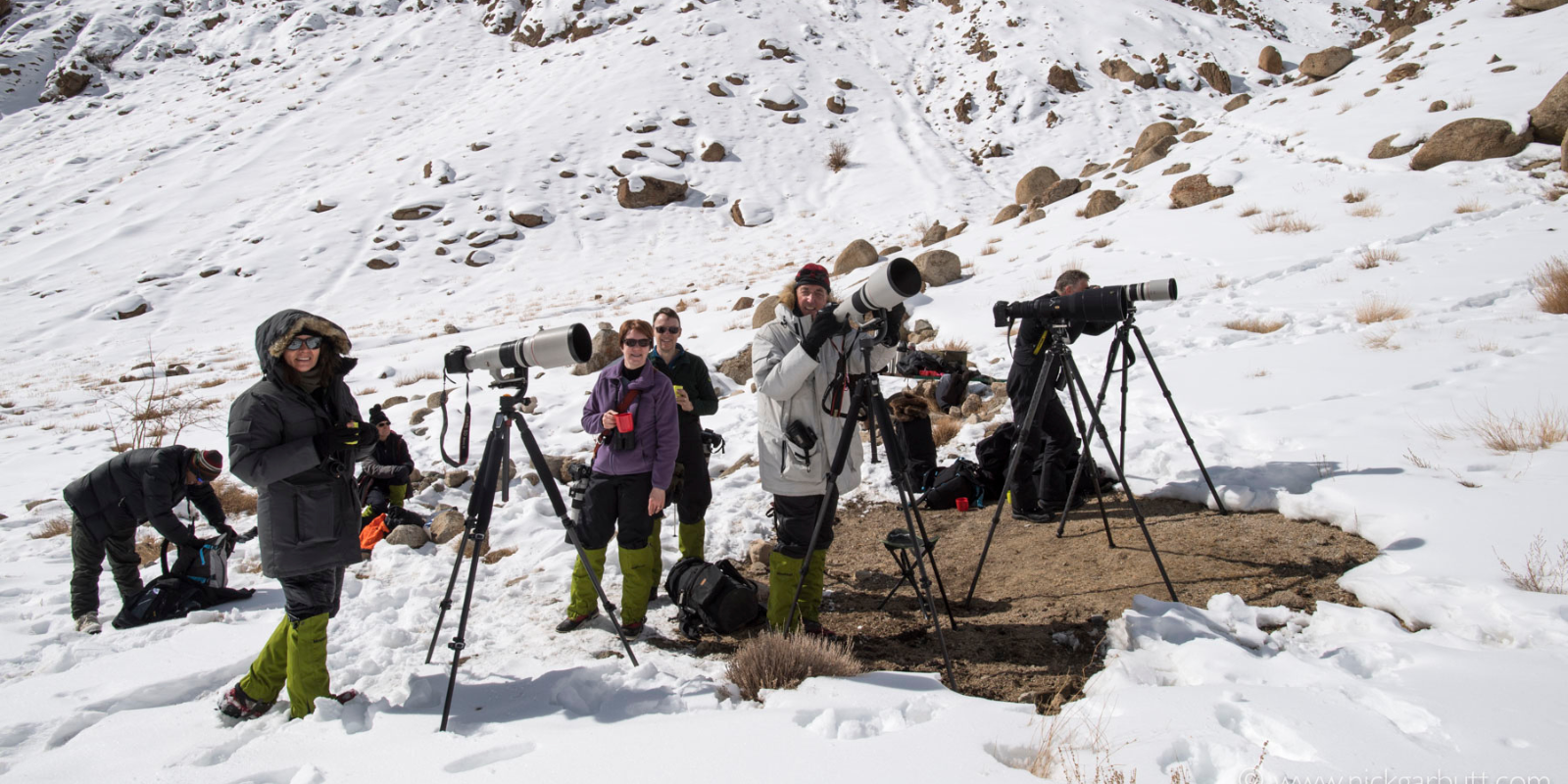
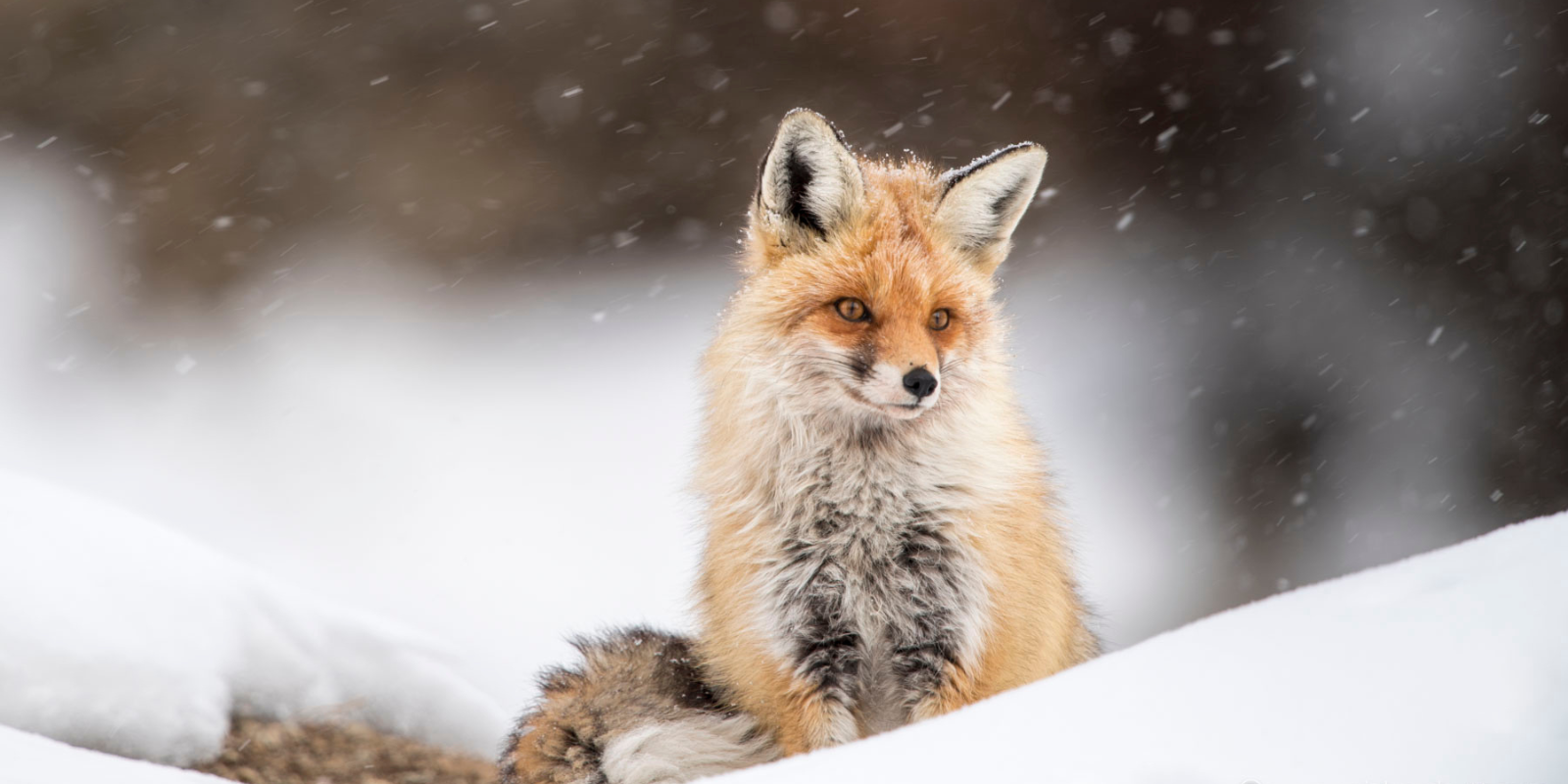
Your first full day of snow leopard tracking begins with the stillness of dawn as spotters scan surrounding ridgelines for movement, tracks or fresh scrapes. You move between carefully chosen vantage points, using scopes and binoculars to search slopes where blue sheep and ibex feed. Patience is key; long periods of watching are punctuated by bursts of purposeful activity whenever signs appear. Along the way you may encounter fox, woolly hare and raptors circling overhead, revealing the richness of Ulley’s high-altitude ecosystem. As daylight fades, return to the lodge to warm up, review sightings and refine plans.
Today you may explore deeper sections of Ulley or neighbouring side valleys, depending on recent activity. Your guides interpret subtle signs — pugmarks in snow, scent marks on rocks, disturbed scree slopes — to decide where to focus. The walking is tailored to your fitness and the conditions, with plenty of pauses to rest and scan. Even when the snow leopard remains elusive, the sense of immersion is profound: vast silence, shifting light and the daily life of blue sheep, vultures and other mountain wildlife. By evening you will understand the valley’s patterns in far greater depth.
With several days of observations behind you, the team now follows emerging patterns in movement and behaviour. You might return to a ridge where fresh tracks were seen, stake out a promising valley, or position yourself above a favoured feeding slope. The search is a collaboration between trackers, guides and guests, each scanning different sectors. Between focused periods you have time to absorb the landscape’s texture and silence. As night falls, the lodge’s warmth feels especially welcome after hours in the cold air. Conversations this evening often centre on strategy, recent signs and the next day’s priorities.
Your final full day in Ulley brings a heightened sense of focus and quiet anticipation. Drawing on observations from previous days, your trackers refine the search, selecting vantage points that offer the strongest chances for meaningful encounters. You continue scanning ridgelines, rocky outcrops and known travel corridors, pausing whenever fresh signs appear. Even without a sighting, the privilege of time spent in this rarefied landscape remains deeply rewarding. The stillness, scale and resilience of the mountains leave a lasting impression. Back at the lodge, a final shared dinner marks the close of this remarkable chapter in snow leopard country.
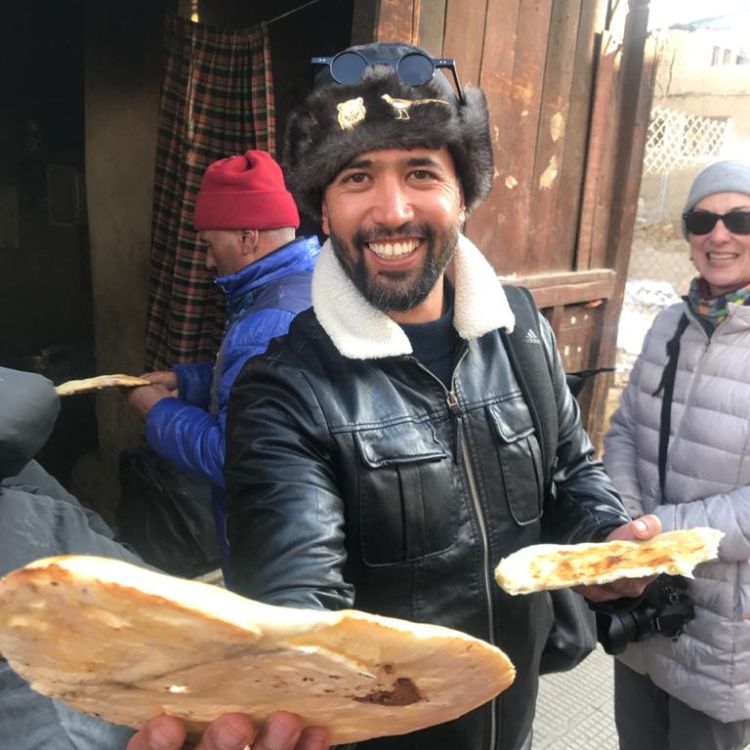
Night 9 : Leh | Rest & Rebalance
Tonight in Leh offers a welcome sense of ease after Ulley’s rugged simplicity. A comfortable room, hot shower and familiar amenities feel especially restorative following days spent tracking in the mountains. The evening is intentionally unstructured: time to pack, back up photographs, enjoy a relaxed dinner or step onto the terrace for one last look at the surrounding peaks. This quiet night serves an important purpose, easing the transition from high-altitude wilderness to the next phase of your journey. It is a gentle farewell to Ladakh’s crystalline air and ancient mountain stillness.
After breakfast, depart Ulley and begin the journey back toward Leh, retracing mountain roads that gradually open into wider valleys and the Indus basin. Short stops along the way allow time to absorb final views of Ladakh’s stark beauty and high-altitude villages. On arrival in Leh, check in to your hotel and enjoy a restful afternoon. You may take a gentle walk through town, revisit a favourite café or simply relax after days in the field. This return to altitude comfort provides a natural pause, allowing body and mind to reset before continuing south.
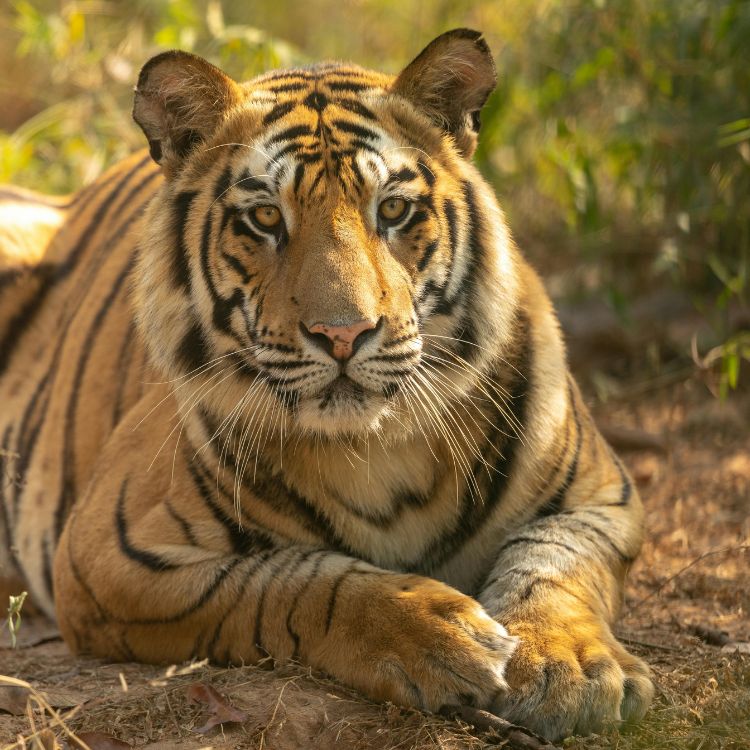
Night 10 : Delhi | Preparing for Tiger Country
Your night in Delhi provides a calm and practical pause before the journey continues to Madhya Pradesh. Enjoy a relaxed dinner, an early night or simply time to reflect on the contrast between snowbound valleys and the landscapes still to come. Tomorrow, the journey leads you into an entirely different ecosystem, where sal forests, meadows and riverine habitats replace granite and ice. This carefully placed night ensures the journey remains unhurried and well-paced, allowing you to arrive in tiger country refreshed and ready for the next chapter of India’s great big-cat story.
This morning you fly from Leh to Delhi, leaving the high Himalayas behind as the landscape gives way to the plains of northern India. On arrival in the capital, transfer to your hotel and enjoy a restful afternoon and evening at leisure. After days shaped by patience, cold air and silence, Delhi’s warmth and energy feel like a distinct shift in pace. This overnight stay allows for a comfortable and well-timed continuation of your journey tomorrow, ensuring a smooth transition toward central India and the forests of tiger country ahead.
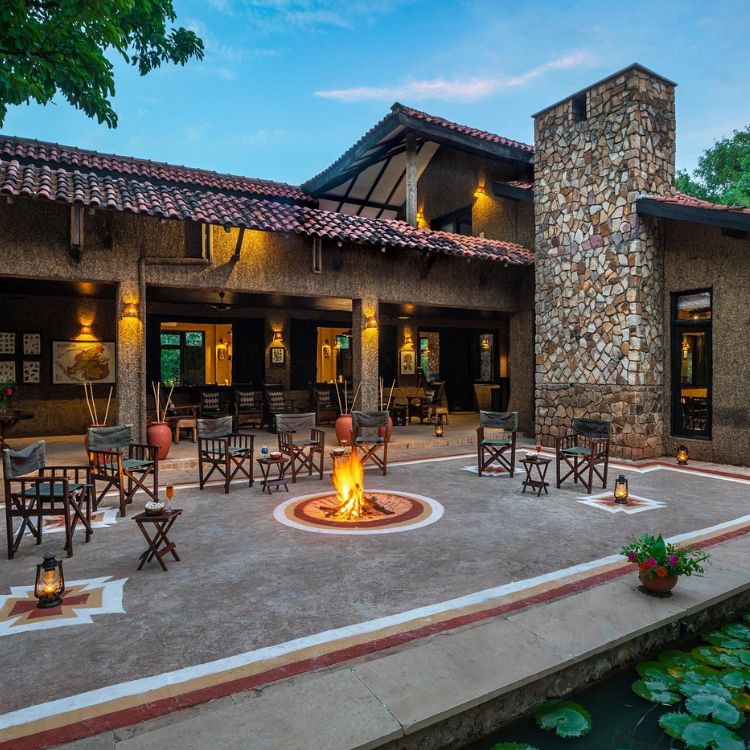
Night 11 : Bandhavgarh | First Night in Tiger Country
By late afternoon you reach Bandhavgarh, a landscape of sal forest, meadows and dramatic escarpments that feels worlds away from Ladakh. Your jungle lodge, surrounded by bird calls and rustling foliage, offers a welcoming base after the journey south. Settle into your room, enjoy a leisurely dinner and meet your naturalist to discuss the coming safaris. As night falls, the sounds of the forest deepen — distant deer alarms, owls, insects — introducing you to the atmosphere of tiger country before your first game drive tomorrow. The shift from mountain silence to nocturnal jungle soundscapes feels both dramatic and exciting.
Fly from Leh or Delhi to Jabalpur, then continue by road through rural Madhya Pradesh toward Bandhavgarh National Park. The drive reveals everyday village life, roadside markets and pockets of forest that hint at the wildlife still thriving in this region. Your guide outlines tiger conservation efforts and the park’s history as a former hunting reserve turned stronghold for big cats. Arrive at your lodge by late afternoon, in time to refresh and absorb the jungle ambience before tomorrow’s first safari into the park. An unhurried evening helps you adjust to the warmer climate and lower altitude.
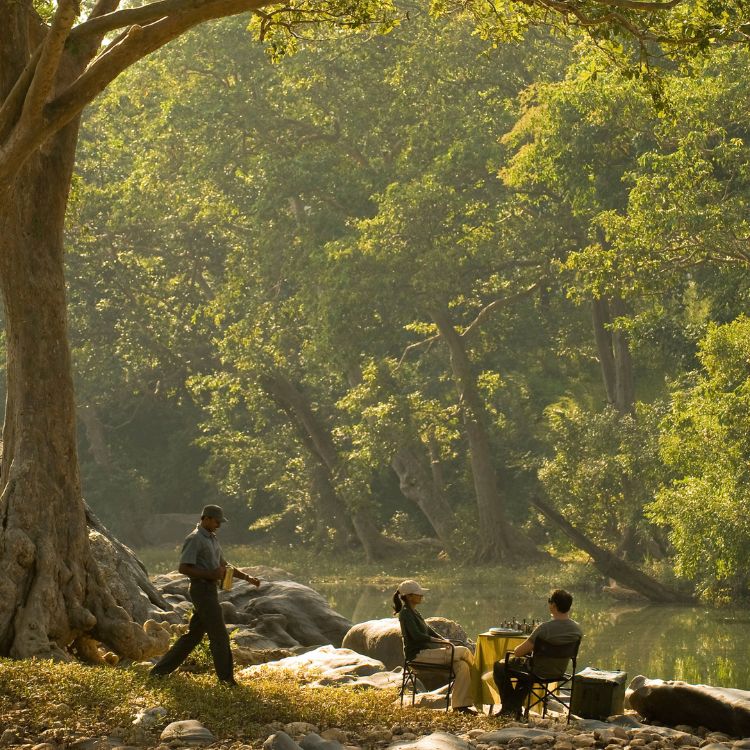
Nights 12 to 14 : Bandhavgarh | Tiger Territory
Over three nights in Bandhavgarh, your lodge becomes a comfortable haven between game drives, with hearty meals, campfires and time to listen to the forest settle each evening. Early starts are balanced by restful afternoons, whether napping, swimming or watching langurs and birds in nearby trees. Conversations with your naturalist deepen your understanding of tiger behaviour and individual territories within the park. These nights let you settle into the rhythm of jungle life and savour the anticipation before each dawn departure. They are as much about atmosphere and insight as they are about specific sightings.
Your first tiger safari introduces the sounds, light and texture of Bandhavgarh at dawn. Enter the park as mist lifts from meadows and the sun touches rocky outcrops and forest edges. Your naturalist reads fresh pugmarks, alarm calls and scents on the breeze to decide which tracks to follow. While tigers are the main focus, you also watch for sambar, chital, gaur, jackal and an impressive variety of birds. Between drives, return to the lodge for breakfast, rest and time to reflect on the morning. An afternoon safari offers a different mood as golden light returns and activity builds again.
Today you explore different zones of Bandhavgarh, increasing your understanding of how tigers use the landscape. You might focus on quieter tracks, secluded waterholes or territories known for mothers with cubs. Patience and repetition are vital; returning to the same area can suddenly yield an unforgettable sighting. Along the way, your guide points out trees scarred by claw marks, favourite scent posts and subtle changes in alarm calls. By evening, you will recognise individual viewpoints, routes and forest clearings as familiar ground. The feeling of being part of an unfolding story grows stronger with each drive.
Your final day in Bandhavgarh blends focused tracking with time to simply enjoy the forest. You and your naturalist may revisit promising routes at dawn, hoping to intersect fresh tracks or follow a sequence of alarm calls to their source. Even without a close encounter, watching light change over meadows, ruins and rocky hillsides is deeply rewarding. After your last safari, return to the lodge for lunch and a relaxed afternoon, before preparing to travel onward to Kanha or Pench tomorrow. Leaving this park often feels like saying goodbye to a particularly charismatic character.
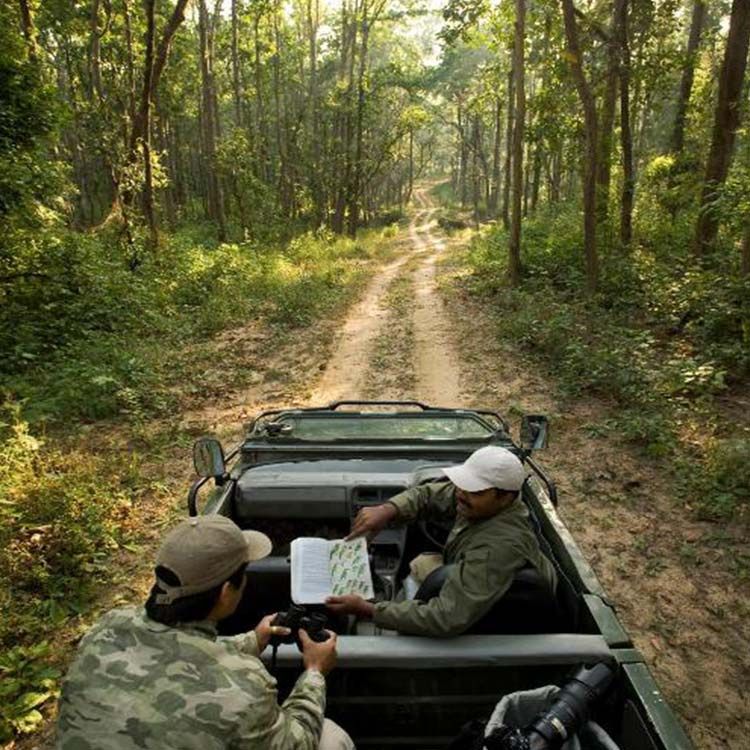
Nights 15 & 16 : Kanha | Immersive Jungle Experience
Over two nights in Kanha , your lodge offers a peaceful counterpoint to active safari days. Comfortable rooms, good food and attentive staff create a relaxed base between early starts and dusty drives. Evenings bring small campfires, distant calls from the forest and time to unwind with a drink or review photographs. These nights allow you to savour the gentler character of these parks — open meadows, riverbeds and tall sal or teak forests — as your Indian wildlife journey nears its close. They frame your final memories in an atmosphere of comfort, reflection and quiet satisfaction.
Depart Bandhavgarh after breakfast and drive through the rolling countryside of Madhya Pradesh toward Kanha. The journey reveals fields, villages and forest corridors that help link these protected areas into a wider landscape. Arrive at your lodge in time for lunch and a short rest. Depending on timings and park regulations, you may enjoy an afternoon safari or a guided walk near the property. The change in scenery and sounds underlines how varied India’s wild places can be. It feels like a fresh yet familiar stage in your continuing big-cat journey.
Your final safari offers one more chance to seek tigers, wild dogs and the many deer, birds and smaller creatures that animate these forests. Morning light filters through tall trees as you follow jungle tracks for the last time, absorbing details you might previously have missed. After breakfast back at the lodge, there is time to pack and take a final look around before driving to Raipur / Jabalpur Airport. Fly to Delhi and connect with your onward flight, carrying home vivid memories of India’s great cats. The contrasts between Himalayas and jungles, leopards and tigers, linger long after you return.
In the high Himalayas, this Snow Leopard tour is defined by access, expertise and authenticity rather than hotel categories. Accommodation is modest and purpose-driven, chosen for safety, proximity and altitude readiness. What elevates the journey is the experience itself—an ultra-dreamy, once-in-a-lifetime wildlife expedition shaped by rare sightings, expert tracking and some of the world’s most dramatic mountain landscapes.
Modest
Accommodation
$ 10,275
1-2 persons
$ 10,170
3-4 persons
$ 9,160
5-6 persons
If you’re looking for a no-frills stay that’s easy on the wallet, and love to spend time with locals and explore the surroundings at your own pace, this is the perfect choice for you. This hotel style is wonderfully cosy, unique, mostly owner-run and provides you with a more personalised service.
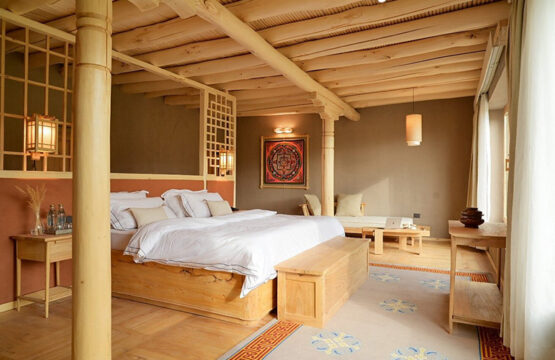
The Bilupa Mountain Lodge
The Bilupa Mountain Lodge plays a foundational role within a snow leopard tour India,
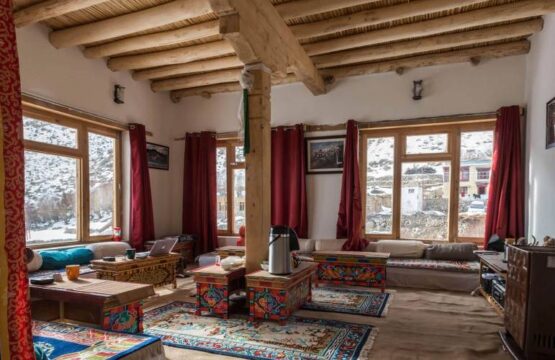
The Snow Leopard Lodge
The Snow Leopard Lodge in Ule operates as the central field base for a snow leopard expedition Ladakh
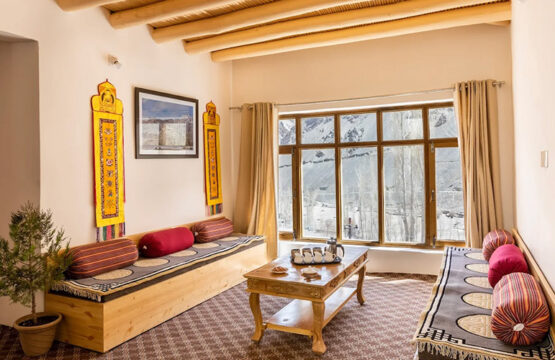
The Mangyu Lodge
The Mangyu Lodge plays a vital supporting role within a snow leopard tour India,

Tiger Den Resort
Tiger Den Resort sits near the Tala zone of Bandhavgarh National Park, offering travellers a warm, nature-focused retreat in one of India’s most iconic tiger…
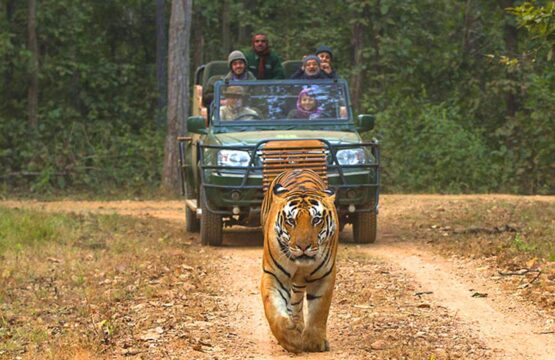
Chitvan Jungle Lodge
Chitvan Jungle Lodge rests on the edge of Kanha National Park, offering a warm, nature-rich retreat surrounded by forests, farmland, and gentle wilderness.

Pride Plaza Aerocity
Pride Plaza Aerocity sits strategically within Delhi’s modern hospitality hub, offering travellers easy access to terminals, business districts, and cultural attractions.
Everything you need to know about the tour
We’ve taken every possible measure to ensure your safety and comfort during this tour.
The hotels, tours, add-ons, guides and chauffeurs who are part of this programme are carefully vetted, so that you enjoy the highest quality standards and enjoy your tour with peace of mind. At any given point of the tour you will always be within reach of your guide or chauffeur, either physically or via phone (e.g: when you are out exploring on your own), for any assistance.
The important stuff:
- If domestic airfare is included in your quote, it reflects the best available average fare at the time of costing. Airfares fluctuate, so the final amount may increase or decrease at the time of booking. We will confirm the exact fare before issuing tickets.
- Standard check in time is 1400 hrs and check out time is 1200 noon at most of the hotels.
Included:
- Accommodation on a double/twin sharing basis with all three meals (B / L / D) at the listed lodges and camps — each selected for comfort, location and suitability for snow leopard & tiger expeditions — as per the itinerary.
- In Delhi, accommodation is on a bed & breakfast basis.
- Air-conditioned Toyota Innova Crysta for all transfers, sightseeing and long-distance travel.
- Full arrival & departure meet-and-assist services at airports, railway stations and hotel check-ins/outs in major cities.
- English-speaking local guides during city sightseeing tours and curated walking experiences, including entrance fees to monuments as per the itinerary.
- Snow Leopard Experience
Dedicated naturalists and snow leopard spotters at the lodge, supporting daily tracking excursions in prime Himalayan wildlife corridors.
2] Use of high-quality scopes at the lodge for distant snow leopard sightings and observation of other high-altitude species such as blue sheep, ibex and raptors.
3] “Inner Line Permit (ILP)” — an official travel permit issued by Indian authorities allowing entry into restricted or environmentally sensitive regions close to international borders, essential for snow leopard tracking areas in Ladakh. - Tiger Safari Experience
1] Dedicated resident naturalists and expert safari guides at each lodge, accompanying scheduled game drives within India’s premier tiger reserves, including Bandhavgarh and Kanha.
2] Shared open 4WD safari vehicles (as per park regulations), with experienced drivers and trackers working alongside your naturalist to interpret behaviour, alarm calls and movement patterns of tigers and other wildlife.
3] All national park entry permits, safari fees and conservation charges included for scheduled morning and afternoon game drives, ensuring seamless access to protected tiger habitats across central India. - Mandatory Government Service Tax included.
Not Included:
- Domestic airfare for this journey is AUD 876 per person for the sectors
Delhi-Leh-Delhi-Jabalpur-Delhi (Economy Class). - Includes 15 kg checked baggage as per airline policy.
- Fares are based on the best available average at quotation time and remain subject to change until ticketing; any difference at booking will apply.
- India tourist visa is required prior to travel (except select nationalities eligible for visa-on-arrival).
More details: https://indianvisaonline.gov.in/visa/ - Optional tours or activities not listed in the inclusions.
- Personal expenses such as tipping, beverages, laundry, telephone calls, and camera fees.
- Items ordered via room service, including water, unless complimentary at the hotel.
Any increase in costs due to fuel hikes, government tax changes, airline fare revisions, or changes in park fees. - Costs arising from natural calamities, strikes, political unrest, riots, road closures, or flight cancellations.
- Any forced itinerary changes due to circumstances beyond our control.
India Seasonality & Rate Variations
India operates on distinct peak and off-peak travel windows, largely influenced by the monsoon cycle. The main season runs from October to March, when the weather is cooler, drier and ideal for sightseeing and wildlife safaris — which is why most national parks are fully open and hotel rates are generally higher.
The off-season (April to September) brings heat and monsoon rains that move across the country in phases. Travelling during these months is still very possible — especially if your itinerary does not focus on safari parks — but one must expect rain, humidity and occasional scheduling adjustments. The benefit, however, is access to more flexible pricing and lower crowd presence at monuments and cities.
To keep things simple, Experiential Journeys lists the lowest seasonal ball-park rate online, then provides the exact cost once travel dates are confirmed. Nothing is charged until the final price is agreed upon.
Experiential Journeys is Australian-based and prices in AUD, serving travellers from New Zealand, U.K., U.S.A., Canada & U.A.E.
Experience
Possible experience in this tour
Some of these experiences are already included in the tour you are looking at, either as a full length or time limited activity. You have the freedom to pick out the ones you want during your tour and the extent to how you want to experience it.
1-2 hours
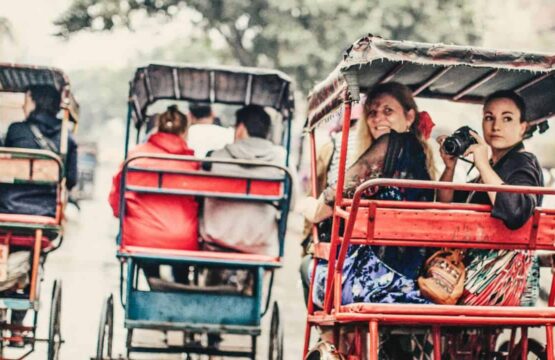
Old Delhi Rickshaw Ride
Take a journey back in time with a rickshaw ride through the bustling streets of Old Delhi,
Delhi
3 hours
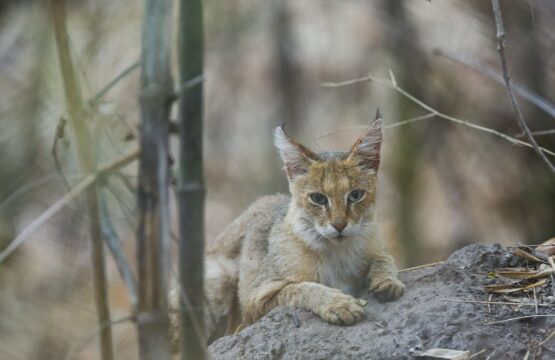
Kanha National Park Safari
Nestled on the Chhota Nagpur Plateau in Madhya Pradesh, Kanha National Park is one of India’s most iconic
Kanha National Park
3 hours
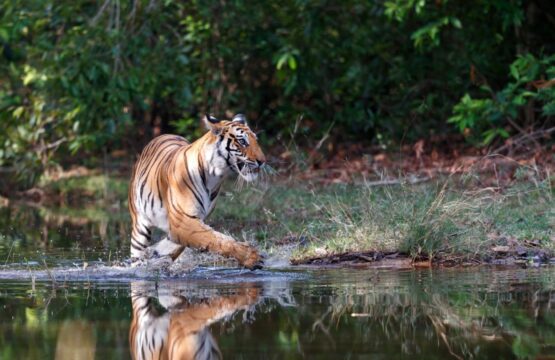
Bandhavgarh National Park Safari
Situated in the Vindhya Hills of Madhya Pradesh, Bandhavgarh National Park is a must-visit destination for wildlife
Bandhavgarh National Park