Sustainability

A Human–Elephant Conflict Success Story from Sri Lanka

Experiential Journeys Australia proudly supports the upcoming second phase of this critical conservation project.

When Tourism Becomes a Lifeline . .

Sri Lanka has endured one of the most turbulent decades in its modern history. From the Easter Sunday attacks to the global pandemic and the subsequent economic meltdown, the nation has faced crisis after crisis. Yet, even through these challenges, something powerful has remained: responsible tourism continues to uplift communities, restore ecosystems, and protect endangered wildlife.

At Experiential Journeys Australia, sustainability is not a marketing phrase — it is the foundation of how we operate across Sri Lanka and India. One of the clearest examples of this commitment is the Human–Elephant Conflict (HEC) mitigation project in Gonaganara Village, bordering Yala National Park, developed by our long-term Sri Lankan partners, Eco Team, with funding support from All for Nature (Netherlands).

This project is a living example of how tourism-supported conservation can save both humans and elephants.

Sri Lanka’s Human–Elephant Conflict: A Crisis at its Peak

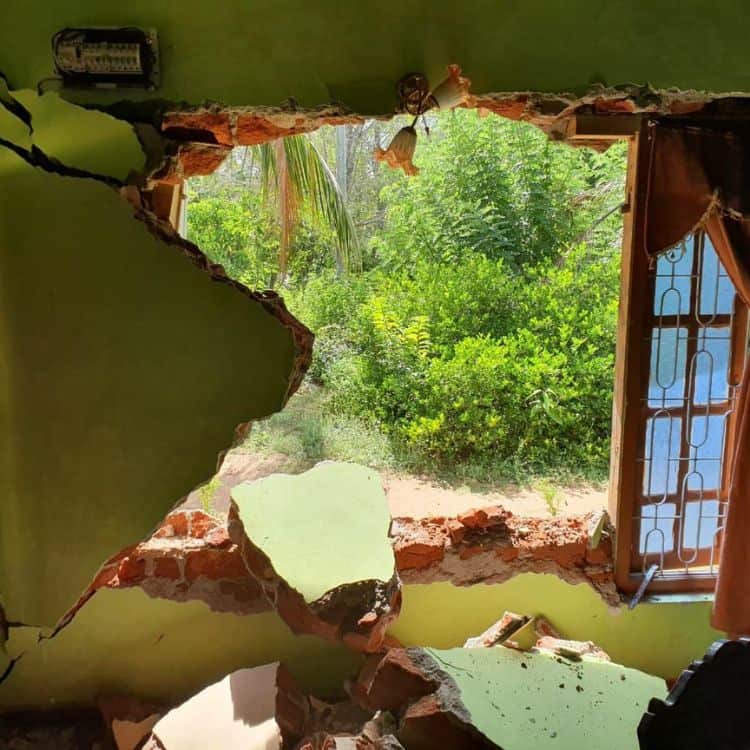
Sri Lanka loses approximately 300 elephants and nearly 100 people each year due to HEC. In 2024 alone:

  • 388 elephants died
  • 154 humans lost their lives

Between 2015 and 2024, the total stands at:

  • 3,484 elephants
  • 1,195 humans

And despite heavy investment in electric fences, firecrackers, and compensation, the situation continued to worsen — clearly, a new approach was needed.

A Community, Two Scientists, and a Nature-Based Solution

Eco Team — the operators behind Mahoora Tented Safari Camps, Big Game Tented Safari Camps, and Funky Leopard Safari Lodge — has long believed that conservation must start with people.

Through collaboration with All for Nature, and guidance from Sri Lanka’s leading elephant experts, Dr. Devaka Weerakoon and Dr. Prudhviraj Fernando, a long-term, habitat-focused plan was launched in Gonaganara Village, a community heavily impacted due to its proximity to elephant habitats & corridors near Yala National Park.

Travellers who join our Sri Lanka Wildlife Tours often witness both the beauty and fragility of these landscapes — making sustainable solutions like this even more essential.

Why Gonaganara?

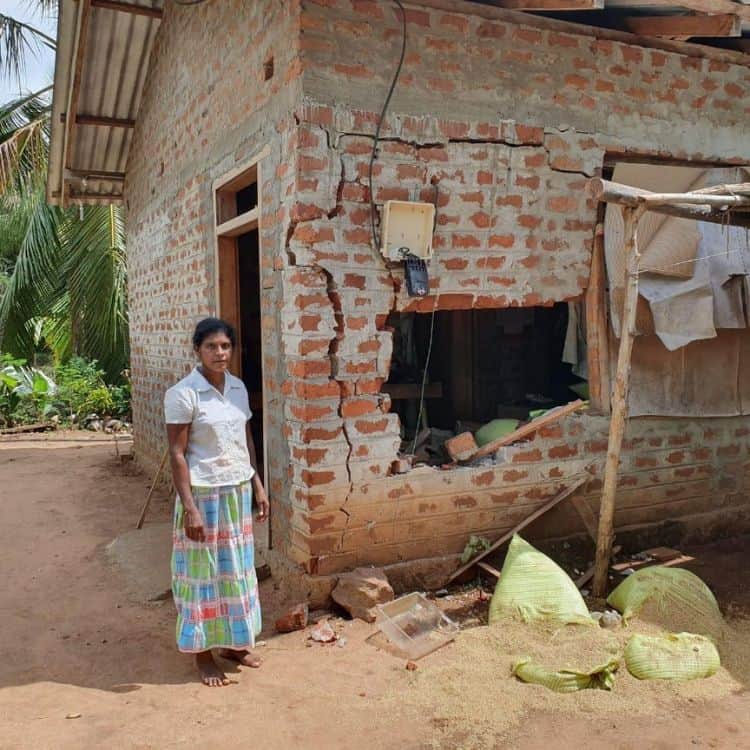
This village of nearly 400 families once faced:

  • Crop raids almost daily
  • 1–2 human deaths per month
  • Loss of income and food security
  • Deep psychological stress

Gonaganara’s position on the edge of vital elephant habitats — and directly along their age-old movement corridors — made it a severe conflict hotspot. As operators who benefit from Yala National Park’s wildlife tourism, we recognise our responsibility to support the communities and ecosystems that sustain these experiences.

Restoring Ancient Knowledge to Solve a Modern Crisis

Instead of relying solely on barriers or deterrents, the project used ecosystem restoration to reduce conflict.

1. Restoring an ancient tank (89 BC)

Originally built under King Walagamba, this tank once provided seasonal water for wildlife and agriculture but had deteriorated.

It has now been:

  • Deepened
  • Strengthened
  • Reconnected to its watershed

This revitalised ecosystem provides elephants with water and grasslands outside the village boundaries.

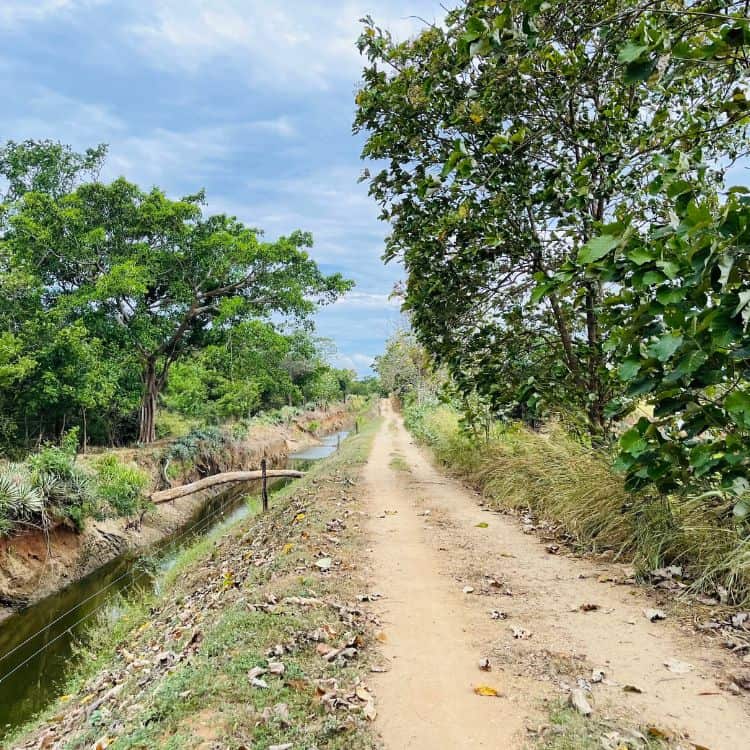
2. Re-establishing a jungle canal system

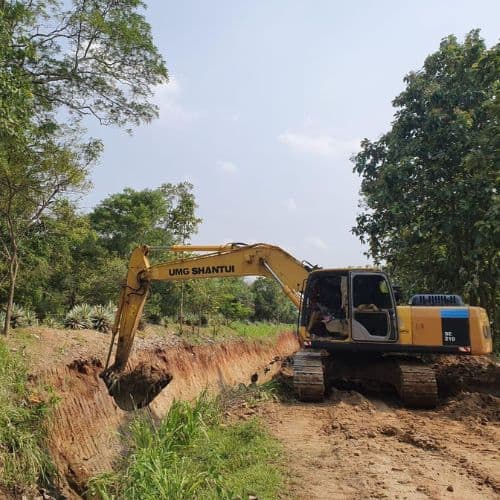
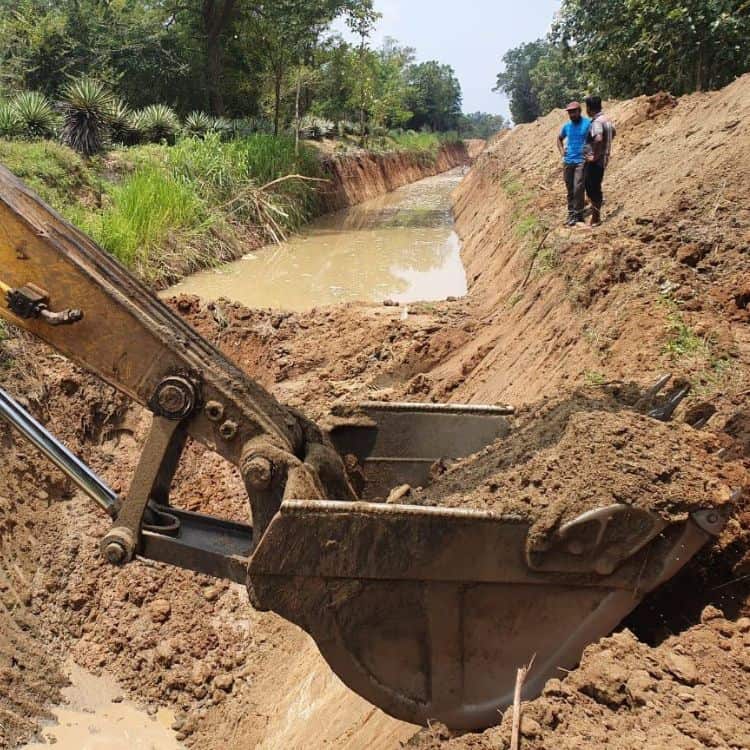
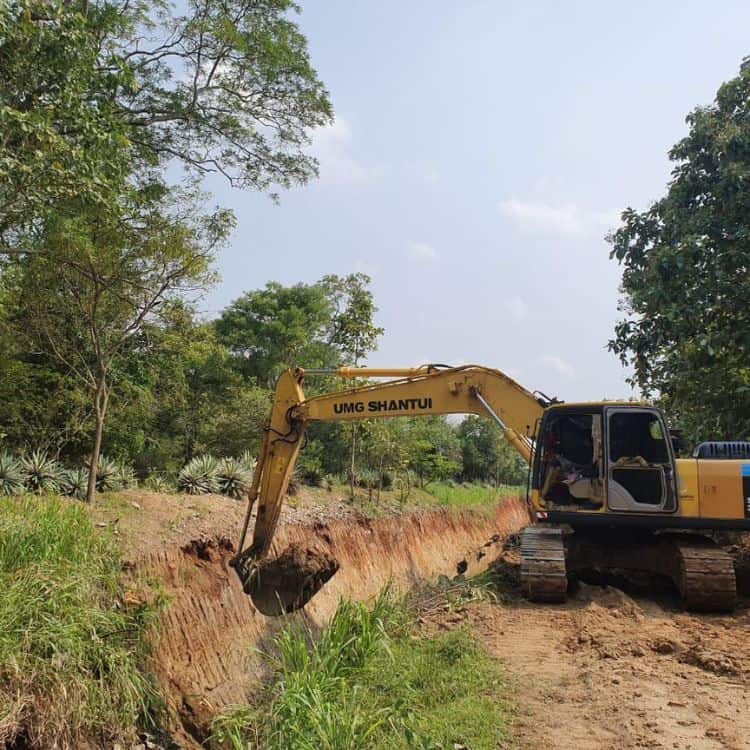
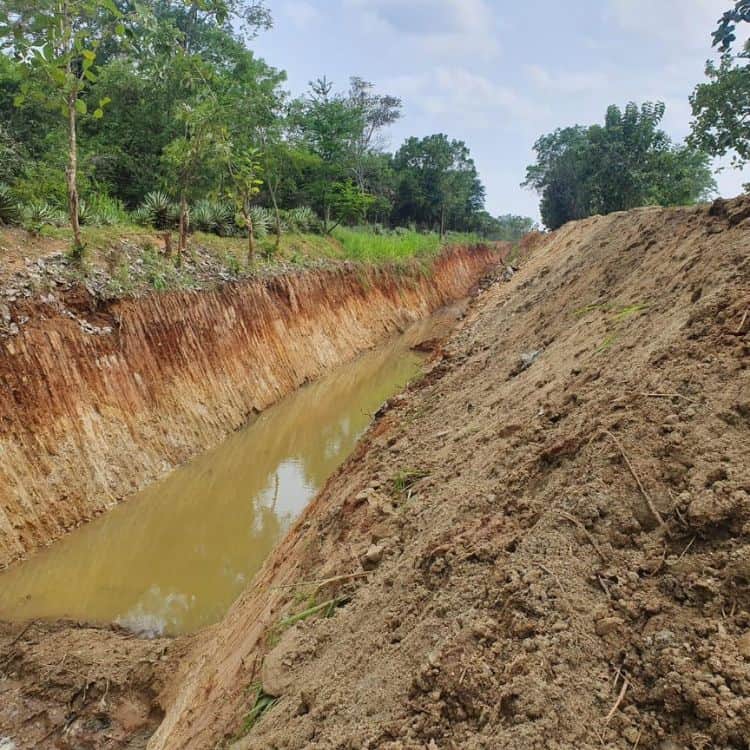
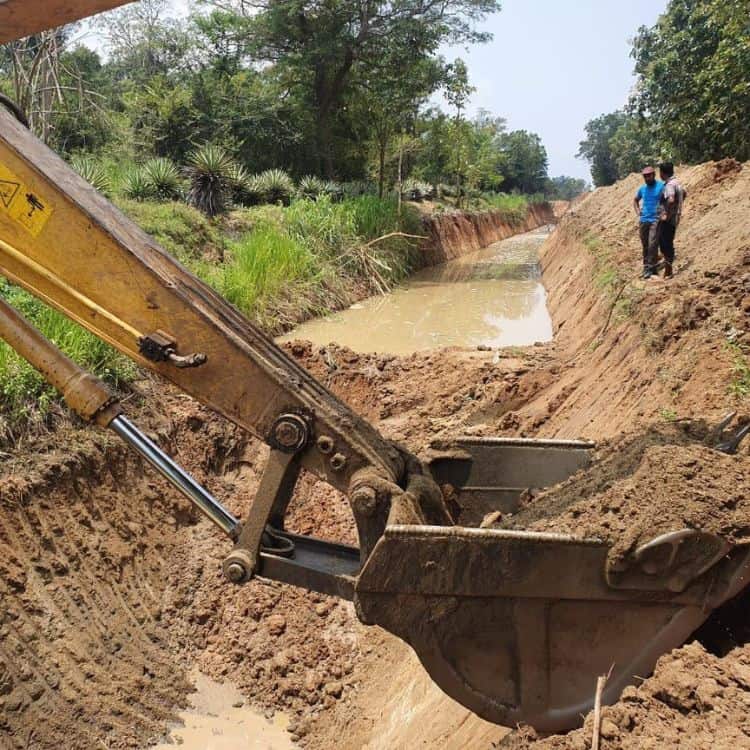
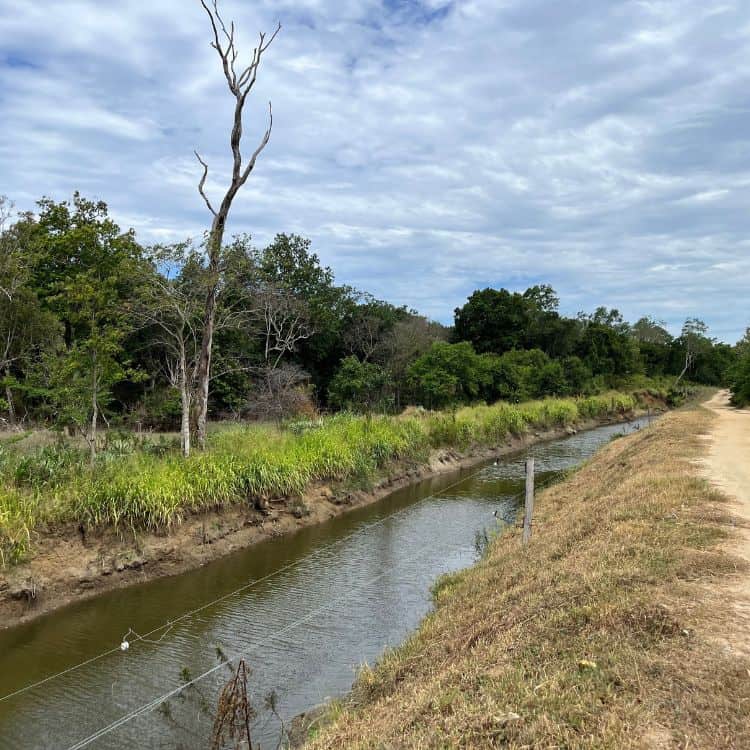
A historic canal — clogged for decades — was cleared to bring rainwater into the tank.

This ensures a consistent water supply, enhancing feeding grounds for elephants and reducing their movement toward fields.

3. Constructing a new 22-foot bunt to retain water ; across the canal.

The bunt now:

  • Holds water across 80+ acres
  • Improves seasonal grazing habitat for elephants
  • Acts as a passive barrier alongside electric fencing
  • Reduces elephant entry into farmland

This nature-positive intervention helps secure the long-term future of wildlife watching in Sri Lanka, including safaris to Yala.

Human Lives Transformed

The project didn’t just protect elephants — it revitalised a community.

  • Year-round farming restored
    Farmers can now cultivate 130 acres across both seasons.
  • Protein & income stability
    The tank now supports Tilapia and Mrigala, improving food security.
  • Zero conflict deaths
    Since the project’s completion:
    Not a single elephant or human has died in Gonaganara Village.
  • Stronger, more resilient livelihoods
    Two consecutive cultivation cycles have increased income stability and confidence across the community.

This is sustainable tourism in action — not charity, but partnership.

Mission 2: Actively Supported by EXJ AU

Following two years of success, the village now requires:

  • A section of the main bunt raised by another 3 feet
    To expand water retention capacity and strengthen climate resilience.
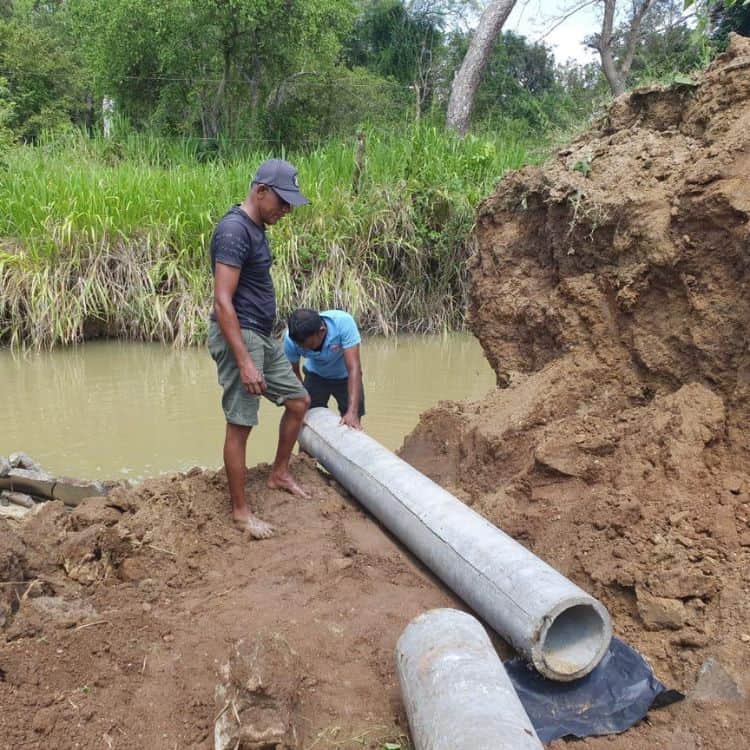
  • Upgrading the water-control mechanism
    Ensuring optimal water flow and long-term sustainability.

Experiential Journeys Australia is proud to support the funding of Phase 2 once implementation begins, continuing our commitment to conservation-led tourism in Sri Lanka.

A Model for the Future of Responsible Tourism

This project demonstrates a powerful truth:

  • When tourism supports science, community, and long-term thinking, it becomes one of the world’s most effective conservation tools.

From supporting elephant habitats to creating safer, more resilient communities, this project reflects the future of responsible travel — one that Experiential Journeys Australia is dedicated to championing.