What Operators & Agents Must Do — 7 Adaptation Strategies
1. Become the “Expert Voice” Families Rely On
With kids offline, parents will increasingly seek:
- long-form destination guides
- proper itineraries focused on safety, comfort and education
- blogs that answer specific questions
- agent recommendations
- operator expertise backed by decades of experience
Tailor-made operators and agents must lead with authority, evidence, and quality—not trend-chasing.
For South Asian destinations—especially Sri Lanka, India, and the Maldives—publishing expert-driven content on wildlife tours, family safaris, cultural immersion, and kid-friendly itineraries builds trust and positions your brand as the first point of reference.
2. Build Offline Trust — Testimonials, Case Studies, Agent Expertise
Without social media influence, families return to the fundamentals:
- expert advice
- real testimonials
- case studies
- referrals
- educational explanations about destinations
Agents now gain far more influence, especially in the tailor-made category where reassurance and expert knowledge matter.
Families should be guided by destination specialists, not generic “off-the-shelf” brochure products that don’t reflect the nuances of South Asia.
3. Upgrade Your Website UX — Because Your Website Replaces Social Media
Your website must now do what social media used to do:
- inspire
- educate
- reduce anxiety
- reassure parents
- highlight child-friendly activities
- showcase safety, comfort and expertise
Add or enhance:
- family-travel landing pages
- wildlife explainer pages
- educational videos
- downloadable itineraries
When promoting Sri Lanka, for example, embed downward links to:
- Sri Lanka Wildlife Tours
- Yala National Park Safaris
- Family Holidays Sri Lanka
so parents can click through and make informed decisions instantly.
4. Build Channels Beyond Social Platforms (Adults Still Use Them)
Even if kids are banned, parents continue relying on:
Operators and agents should publish:
- family travel insights
- wildlife highlights
- safety updates
- climate/seasonal guidance
- cultural etiquette tips
- destination comparisons
Strengthen SEO and user experience by linking all family-focused content to the Family Holiday Tours Sri Lanka page.
5. Make Email an Important Sales Tool for Parents
Email becomes the new “social feed” for decision-makers.
Use email sequences and CRM tools to provide:
- curated family itinerary ideas
- seasonal travel promotions
- educational content (wildlife, culture, safety)
- trip-planning checklists
- agent-specialist tips
Agents can utilise operator-provided templates or personalise them for their own clientele.
6. Create Family-Optimised Travel Products
Tailor-made operators & agents should develop itineraries that appeal to families through substance and experience, not trends.
Examples:
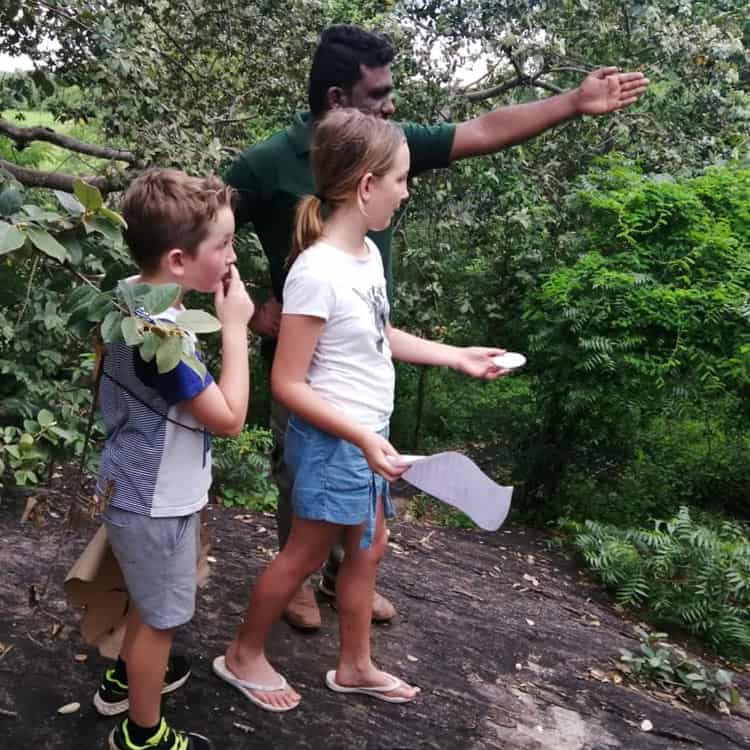
- wildlife immersion packages [The Human family meets the Monkey family ]
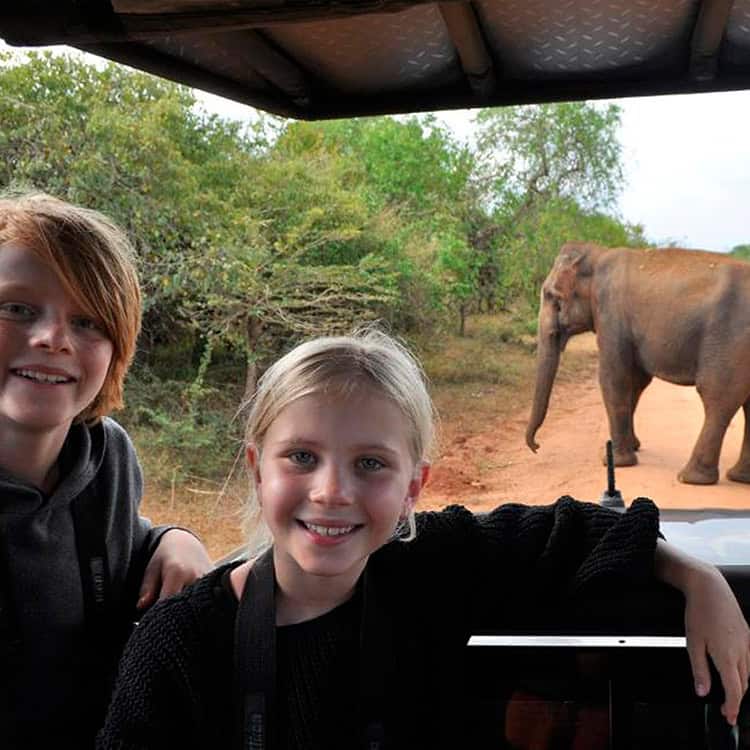
- safari adventures [ Wilpattu National Park Safaris ]
- curated family itineraries [ Family Holiday Tours Sri Lanka ]
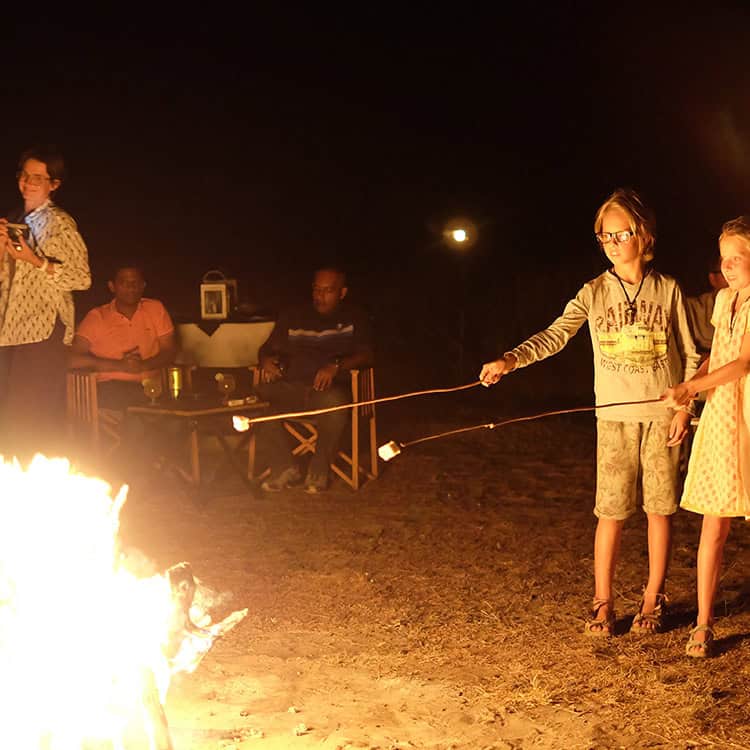
- slow travel: glamping (e.g., Ahaspokuna), tea-country hikes, village immersion
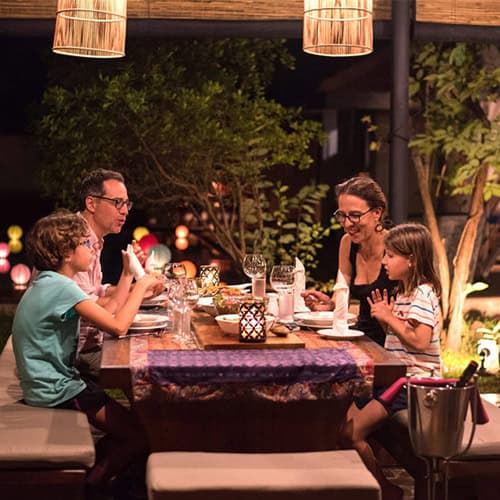
- hands-on children’s experiences: cooking, pottery, crafts, wildlife conservation days
These product types resonate strongly with the post–social media landscape, where families seek depth, bonding, and educational value.
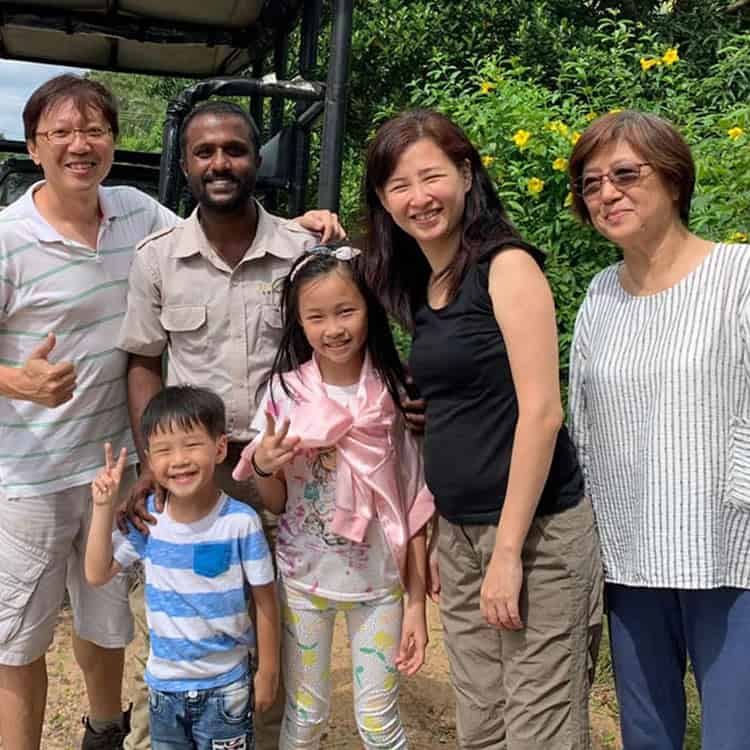
Agents can become ambassadors for these meaningful, story-driven experiences.
7. Prioritise Storytelling & Offline Word-of-Mouth
Kids won’t be sharing holiday videos online.
But families still share stories:
- over WhatsApp
- at school pick-ups
- at workplace lunches
- in community groups
- at family events
Operators and agents must create storytelling-ready materials:
- printable mini-itineraries
- wildlife fact sheets
- pre-trip educational packs for kids
- family-friendly destination booklets
- photo boards families can share privately
These boost organic trust, referrals, and conversions without needing social media visibility.